
Posted by Michele Priest on Mar 13th 2026
Is Drinking Water Safe in the United States?
A closer look at what's in your tap, and why more americans are choosing to filter their water.
Clean drinking water is something most Americans rarely think twice about. Turn on the faucet, fill a glass, and expect that the water is safe to drink. In many ways, their confidence is well placed. The United States has one of the most advanced drinking water systems in the world, supported by federal regulations, state oversight, and thousands of public utilities.
But the reality is more nuanced. While most tap water meets government safety standards, concerns about contaminants, aging infrastructure, and emerging pollutants have led many households to take an extra step: filtering their water at home.
|
Quick Answer: Most tap water in the United States meets federal safety standards under the Safe Drinking Water Act. However, trace contaminants,aging infrastructure, and emerging pollutants like PFAS have led many households to use certified water filters for an added layer of protection. |
So how safe is drinking water in the United States? The answer lies somewhere between “generally safe” and “worth taking extra precautions.”
How Drinking Water Is Regulated in the U.S.
The safety of public drinking water is largely governed by the Safe Drinking Water Act, a federal law passed in 1974 that gives the U.S. Environmental Protection Agency (EPA) authority to regulate drinking water quality.
 The EPA sets legal limits for contaminants that may appear in drinking water and requires public water systems to monitor and treat water to meet those standards.
According to the EPA, the United States has “one of the world’s safest supplies of drinking water.”
Under federal regulations:
- More than 90 contaminants are regulated in public drinking water systems
- Utilities must regularly test water supplies
- Treatment processes must remove harmful microorganisms and chemicals
- Utilities must publish an annual water quality report for customers
These reports, known as Consumer Confidence Reports, allow residents to see what contaminants were detected in their local water supply.
Today, approximately 90% of Americans receive drinking water from community water systems regulated under these standards. Because of these protections, widespread outbreaks of waterborne disease once common in the early 1900s, are now rare.
But regulation does not mean every glass of water is contaminant-free.
When “Safe” Doesn’t Mean Perfect
 Government standards are designed to reduce health risks, not necessarily eliminate every trace of contamination.
Water utilities treat water to meet allowable limits, but small amounts of contaminants can remain.
Even the Centers for Disease Control and Prevention (CDC) states that drinking water exposures still occur. Each year in the U.S., 1.1 million people get sick every year from germs in drinking water, often linked to pathogens such as Legionella or Giardia. This can occur in transit to the consumer or even in pipes in buildings.

Common Contaminants Found in Tap Water
Water treatment plants remove many contaminants, but some substances are difficult to eliminate completely or may enter water after treatment.
Here are several contaminants that have received increasing attention.
Lead From Plumbing
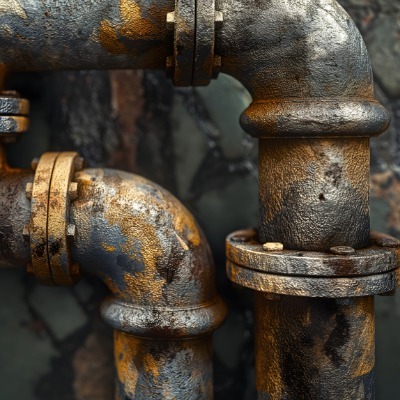 Lead contamination is one of the most well-known drinking water risks.
In many cases, the water leaving the treatment plant contains little or no lead. However, lead can leach into drinking water from older pipes, plumbing fixtures, or solder, especially in homes built before 1986.
The U.S. Environmental Protection Agency notes that drinking water can contribute 20% or more of a person's total exposure to lead.
Even low levels of lead exposure are considered harmful, particularly for children.
PFAS (aka “Forever Chemicals”)
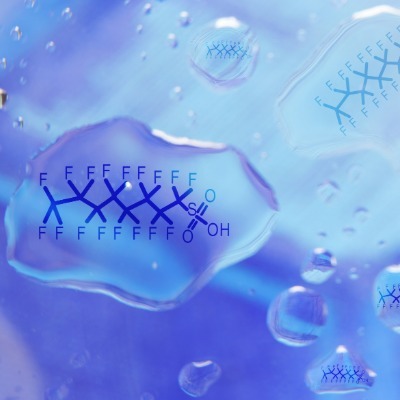 Another emerging concern involves per- and polyfluoroalkyl substances (PFAS), sometimes referred to as “forever chemicals.”
These compounds have been used in industrial processes, firefighting foams, and consumer products for decades. Because they break down very slowly, they can accumulate in water sources.
A nationwide study by the U.S. Geological Survey (USGS) estimated that at least 45% of U.S. tap water contains one or more PFAS compounds.
Federal regulators are now implementing stricter limits and monitoring programs for these chemicals.
Agricultural Runoff and Industrial Pollutants
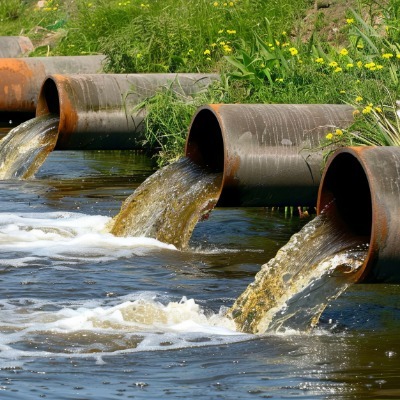 Surface water and groundwater sources can also contain contaminants from environmental activity.
Examples include:
- Nitrates from fertilizers
- Pesticides and herbicides
- Industrial solvents
- Naturally occurring arsenic and metals
Treatment plants are designed to reduce these substances, but concentrations can vary depending on local conditions.
Disinfection Byproducts
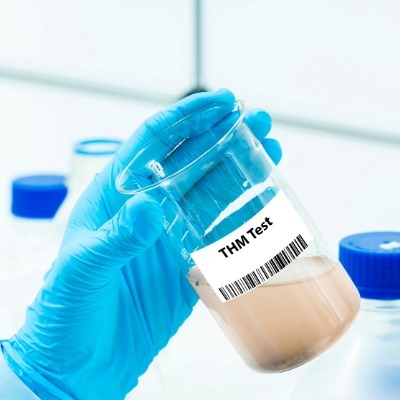 Most water utilities disinfect water using chlorine or chloramine to kill bacteria and viruses.
This process is essential for public health, but it can produce disinfection byproducts when chlorine reacts with organic matter in water.
The EPA regulates these compounds because long-term exposure to high levels may increase health risks. The National Library of Medicine (NIH) finds that ingestion, dermal contact and inhalation of disinfection byproducts can lead to significant health risks like: organ failure, cardiovascular disease and more.
America’s Aging Water Infrastructure
Another factor affecting water quality is the condition of the nation’s water infrastructure.
Across the United States, many pipes and treatment systems were installed decades ago and are now reaching the end of their expected lifespan.
According to the American Society of Civil Engineers, the U.S. drinking water infrastructure requires significant investment to maintain and upgrade systems nationwide.
Aging pipes can corrode, break, or allow contaminants to enter water as it travels from treatment plants to homes. This means water quality can change between the treatment facility and the kitchen tap.

How to Find Out What’s in Your Water
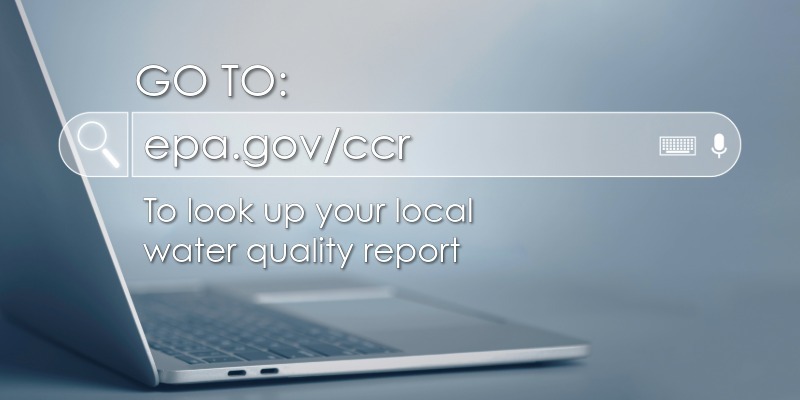
One of the easiest ways to learn about your local water quality is by reviewing your Consumer Confidence Report.
These reports typically include:
- The source of your water supply
- Detected contaminants and their levels
- Federal safety limits
- Treatment methods used by the utility
Your local water provider must make this report available each year.
However, these tests are usually performed at the treatment facility or within the distribution system, not necessarily at the faucet inside your home.
Why Many Americans Filter Their Water
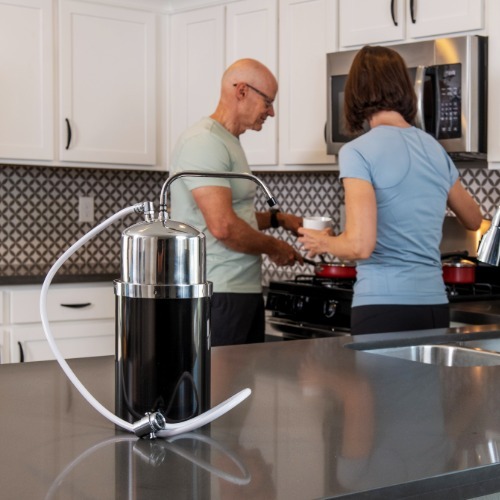 Because of these uncertainties, many households choose to filter their drinking water.
A home filtration system can help reduce contaminants that may still be present when water reaches the tap, including:
- Lead from plumbing
- PFAS and other industrial chemicals
- Chlorine and disinfection byproducts
- Microplastics and sediment
- Taste and odor compounds
The effectiveness of a filter depends on the technology used and whether the system has been independently tested and certified. Independent organizations such as NSF International verify filtration performance through standardized testing programs.
Choosing a High-Quality Water Filter
Not all water filters work the same way. Some are silver impregnated to stop bacteria from growing and others use nano mesh technology. There are thousands of systems on the market, but the most common fall into these categories. To fully understand a product’s capabilities it is imperative that you compare their NSF certification to get the full picture.
Common filtration technologies include:
- Granular activated carbon filters
Often used to reduce chlorine and improve taste. - Reverse osmosis systems
Use a membrane to remove many dissolved substances but can waste water during the process. - Solid carbon block filters
Provide extensive contaminant reduction while maintaining good water flow.
For many households using treated municipal water, solid carbon block filtration offers a practical balance of performance, convenience, and efficiency.
Why Many Families Choose Multipure
 Multipure drinking water systems use solid carbon block filtration technology to reduce a wide range of contaminants.
These systems are independently tested and certified for numerous contaminants, including chemical and microbiological pollutants, while maintaining strong water flow and durability.
Benefits include:
- Broad contaminant reduction
- Long filter life and low cost per gallon
- Durable stainless-steel housing
- Independent NSF performance certifications
For families who want greater confidence in their drinking water, a high-quality filtration system can be an important step.
The Bottom Line
So, is drinking water safe in the United States?
Most tap water meets federal safety standards, and public water systems play a vital role in protecting public health.
However, trace contaminants, aging infrastructure, and emerging pollutants mean that many households prefer an extra layer of protection.
Filtering drinking water can provide added peace of mind and help ensure that the water you and your family drink every day is as clean and healthy as possible.
Check Your Water and Improve It
If you want to take control of your drinking water quality, start with these simple steps:
- Look up your local Consumer Confidence Report to see what contaminants are detected in your water.
- Consider testing your tap water, especially if your home has older plumbing.
- Install a certified drinking water filter designed to reduce contaminants commonly found in U.S. tap water.
To learn more about advanced drinking water filtration and how Multipure systems can help improve the quality of your tap water, explore the available solutions and see which system best fits your home.
Clean water starts with understanding what’s in your glass, and taking steps to make it even better.