
Posted by Michele Priest on Mar 30th 2026
Is Your Drinking Water Safe After a Natural Disaster? What You Need to Know
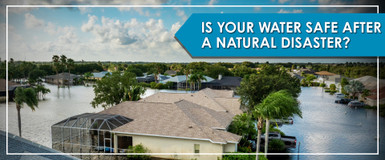
Natural disasters can turn a reliable water system into a health risk almost instantly. Understanding how drinking water becomes contaminated and what to do when it happens is essential for keeping your family safe during emergencies.
|
Key Takeaway: Natural disasters can compromise drinking water systems by damaging infrastructure, disrupting treatment processes, and introducing contaminants such as microorganisms, chemicals, and debris. As a result, water that appears clear may still be unsafe without proper treatment or testing. |
Flooding, hurricanes, wildfires, and severe storms can all compromise water systems in ways that aren’t always visible. What looks like clean water coming out of your tap may not be safe to drink. In an emergency, access to safe water isn’t just about convenience, it’s about protecting your family from invisible risks that can escalate quickly.
Recent events in Hawaii left thousands of people without a reliable water supply. This is a powerful reminder of just how quickly water systems can become unsafe and understanding drinking water safety during natural disaster is essential.

What Happens to Drinking Water During a Natural Disaster?
Water infrastructure is surprisingly vulnerable. During extreme weather or disasters, multiple failures can occur at once:
- Broken water mains
- Loss of water pressure
- Floodwater intrusion
- Sewage system overflows
- Contamination from chemicals or debris
March 2026 heavy rains and flooding caused by Kona Low (subtropical cyclone), resulted in over a billion dollars in damage across the Hawaiian island. According to Maui News Now, extensive damage to water systems, has led to boil water advisories across several communities. Officials warned residents that system damage could allow harmful contaminants to enter the drinking water supply.
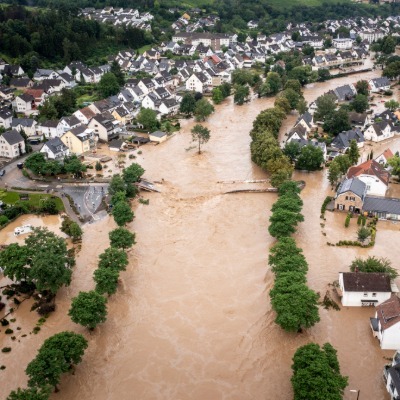 Floodwaters are especially problematic. They can carry:
- Raw sewage from overwhelmed wastewater systems
- Bacteria and viruses from animal waste
- Pesticides and industrial chemicals
- Debris and sediment
State health officials routinely warn that storm runoff and floodwaters may contain “overflowing cesspools, sewer, manholes, pesticide and other contaminants.”
In other words, once flooding occurs, there’s no reliable way to know what’s in the water without proper testing, and that takes time.
Why Boil Water Alerts Matter…
and Should Never Be Ignored
When officials like the Centers for Disease Control and Prevention issue a Boil Water Alert it matters; it’s not a suggestion, it’s a critical safety measure. Be sure to follow boil water notice guidelines.
These alerts are typically issued when:
- Water pressure drops (allowing contaminants to enter pipes)
- A main break or infrastructure damage occurs
- There’s evidence of bacterial contamination
- Flooding or sewage contamination spills may have impacted supply
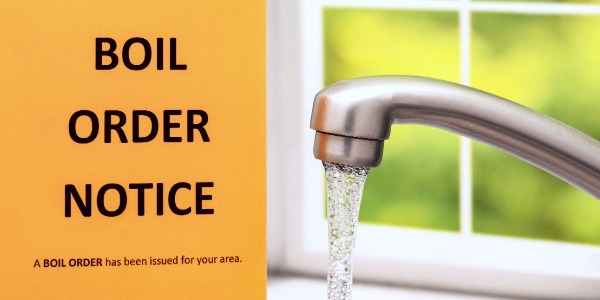
In Hawaii’s recent storm event, residents were instructed to boil water vigorously for at least three minutes before using it for drinking or cooking. That’s because boiling is one of the most reliable ways to kill harmful microorganisms such as bacteria (like E. coli), viruses (such as norovirus or hepatitis A) and parasites (like Giardia)
Boiling: What it Misses
The US Environmental Protection Agency (EPA) states that boiling water is designed to address biological contaminants in emergency situations not any chemicals or metals that may be in your water. This is important, boiling water does not remove everything.
 It does NOT eliminate:
- PFAS (forever chemicals)
- Chemical contaminants (like benzene or pesticides)
- Heavy metals (lead, arsenic)
- Microplastics
- Sediment or debris
In fact, in some cases, boiling can concentrate chemicals as water evaporates. The contaminants are still in boiled water, but there is now less water, so concentration is higher.
During past water emergencies in Hawaii, officials warned that contaminants such as benzene and other volatile organic compounds (VOCs) could enter water systems after infrastructure damage.
For this reason, relying on appearance alone, clear vs. cloudy, is not enough to determine safety.
The Hidden Risk: You Can’t See Contamination
One of the most dangerous misconceptions during a disaster is:
“If the water looks clean, it must be safe.”
Unfortunately, many of the most harmful contaminants are completely invisible.
- Bacteria and viruses are microscopic
- Chemicals have no color or odor at low levels
- Floodwater contamination can travel through underground systems
- Even something as simple as a drop in water pressure can allow contaminated water to be pulled into pipes through cracks or leaks.
- By the time you notice a problem, exposure may have already occurred.

Real-World Example: Hawaii’s Water Challenges
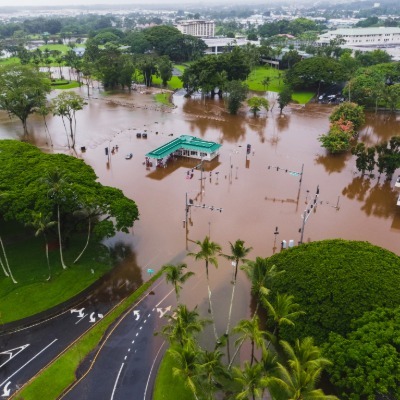 Hawaii has faced multiple water safety challenges tied to natural disasters in recent years, ranging from heavy rain events to wildfires.
During storms and flooding:
-
- Water lines were damaged
- Sewage systems were overwhelmed
- Communities experienced boil water advisories
- Residents were warned to avoid floodwaters entirely
- Health agencies also issued brown water advisories, warning of high bacteria levels in coastal areas after heavy rainfall.
These events highlight a critical truth: Water systems are only as strong as their weakest point, and disasters expose those weaknesses quickly.
Safe Water Practices During an Emergency
If you’re facing a natural disaster or its aftermath, here are the most important steps you can take:
- Follow Official Guidance Immediately
If local or state agencies issue a boil water notice or advisory, follow it without delay. Do not assume it’s “just a precaution.”
- Use Proper Boiling Techniques (follow information provided by local water authority)
Be sure to follow the boil water advisory you receive from your local municipality or the CDC guilelines.
-
- Bring water to a rolling boil
- Keep water boiling for at least 1 (3 minutes at high altitudes)
- Let it cool before using
- Store in clean, covered containers
- Know When Not to Use Tap Water
During advisories, avoid using tap water for:
-
- Drinking
- Brushing teeth
- Making ice
- Washing fruits and vegetables
- Preparing baby formula
Even small exposures can pose risks.
- Avoid Floodwater Contact
Floodwater is not just dirty, it’s often biologically and chemically hazardous.
Avoid:
-
- Walking through standing water
- Letting children or pets play in it
- Using it for any household purpose
- Have a Backup Plan
Emergency preparedness should always include a safe water strategy.
Options include:
-
- Stored bottled water (short-term solution)
- Emergency water containers
- High-quality water filtration or purification systems
The key is having something reliable before you need it. Here is a link to Multipure's Disaster Relief Plan, a great resource to help you build your own personal strategy for emergencies.
Where Bottled Water Falls Short
 Many people rely on bottled water during emergencies and while it can help in the short term, it has limitations:
- Supplies run out quickly during disasters
- Distribution can be delayed
- Storage space is limited
- Plastic waste increases significantly
- In large-scale disasters, bottled water shortages are common within days.
That’s why more households are looking for long-term, sustainable solutions that don’t depend on supply chains.

A More Reliable Approach: Advanced Water Purification at Home
For households thinking beyond short-term fixes, a high quality water purification system can make a meaningful difference, especially during emergencies.
Systems like the Multipure Aquapremier and Multipure Aqualuxe are designed to go beyond basic filtration. These systems are certified to reduce bacteria and viruses, which is critical in disaster scenarios where microbial contamination is a primary concern.
That’s a key distinction between a water “filter” and water “purifier”.
Many standard filters improve taste or remove chlorine, but they are not designed for emergency-level contamination.
Having a system capable of addressing:
- Microorganisms
- Chemical contaminants
- Sediment
provides a much higher level of confidence when water quality is uncertain.
Why Preparation Matters More Than Reaction
 The biggest lesson from disasters, whether in Hawaii or elsewhere, is this:
- By the time a boil water notice is issued, the problem has already happened.
- Preparation isn’t about fear, it’s about control.
When you already have:
- A plan
- A backup water source
- A reliable purification system
you’re not scrambling to figure out what to do next. You are ready.
Final Thoughts: Clean Water Is Not Guaranteed in a Crisis
We tend to assume that clean water will always be there when we turn on the tap. Most of the time, it is.
But natural disasters can leave you thinking, is tap water safe after a flood? What was once safe drinking water can change very quickly, sometimes within hours.
Flooding, sewage overflows, and broken infrastructure can introduce contaminants that you cannot see, taste, or smell.
That is why:
- Boil water alerts should always be taken seriously
- Visual clarity is not a measure of safety
- Preparedness is essential
Whether it’s storms in Hawaii, hurricanes on the Gulf Coast, or wildfires in California, the risk is the same: compromised water systems and uncertain safety.
Taking steps now to ensure access to clean, safe drinking water, no matter the situation, is one of the most practical and important things you can do for your health and your family.
Don’t wait, get prepared. Use Multipure’s Disaster Relief Plan to get you started.
FAQ: Drinking Water Safety During Natural Disasters
- Why does water become unsafe during natural disasters?
Natural disasters like floods, hurricanes, wildfires, or heavy storms can damage pipes, reduce water pressure, and overwhelm sewage systems. This allows bacteria, viruses, chemicals, and debris to enter the water supply. Many contaminants cannot be seen with the naked eye and have no taste or odor.
- What to do during a boil water advisory?
A boil water advisory will help you understand how to purify water in an emergency. Boil the water according to notice instructions. Be sure to use cooled, boiled water for drinking, washing fruits and vegetables, cooking and making beverages. A boil water advisory means the water may be contaminated with microorganisms, such as bacteria, viruses, or parasites. Boiling is required to kill these pathogens before the water is safe to drink or use for cooking.
- Where is a good place to get water in my home during a Boil Water Advisory?
Good sources of water include: hot water heater, back of toilet (NOT the bowl), melted ice cubes, collected rain water.
- Does boiling remove chemicals like PFAS, pesticides, or fuel contamination?
No. Boiling only kills biological contaminants. It does not remove chemical pollutants and may even concentrate them. If chemicals are suspected, use an appropriate purification system or rely on safe bottled water.
- Can water look clean and still be unsafe?
Yes. Many contaminants, especially bacteria, viruses, and industrial chemicals, are invisible and have no taste or odor. Clear water does not guarantee drinking water safety during an emergency or after a disaster.
- Is it safe to shower during a boil water advisory?
In most cases, yes, if you do not swallow the water, and do not get in your eyes. But young children, the elderly, and people with compromised immune systems should use caution. If contamination involves chemicals or fuel, avoid showering until officials confirm safety.
- Is bottled water always the safest option during emergencies?
Bottled water is reliable short-term, but supplies can run out quickly during disasters, and distribution may be delayed. It should be part of a plan, not the entire plan.
- What’s the difference between a water filter and a water purifier?
Water filters typically improve taste and remove chlorine or sediment.
Water Purifiers target microbial contamination in water like: bacteria, viruses, and other microorganisms, critical in emergencies.
Not all devices are rated for disaster-level contamination, so certification from reputable independent organizations like NSF matters.
- How can I prepare my household before the next natural disaster?
- Store emergency water
- Keep containers on hand
- Install a NSF certified purification system
- Follow local alerts and advisories
Being prepared means you aren’t scrambling once an advisory is issued.
- What should I avoid doing during flood conditions?
Avoid drinking, touching, or using floodwater (contaminated tap water) for any household purpose. It can contain sewage, chemicals, animal waste, and industrial pollutants.