
Posted by Michele Priest on Apr 16th 2026
Microplastics in Drinking Water: Can Filters Remove Them?
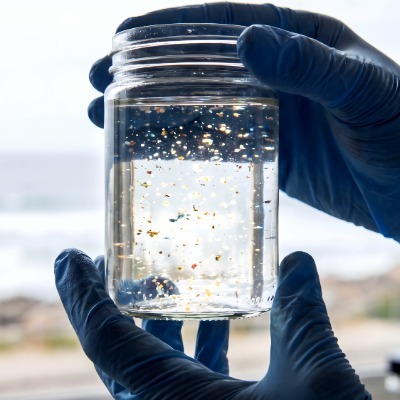
Does it feel like the term microplastics in drinking water is suddenly everywhere? You are not imagining it. For years, plastic pollution felt like a distant ocean problem. Microplastics are no longer a generic environmental issue, they are showing up in the water you drink every day.
On April 2, 2026, the US EPA and Department of Health & Human Services made an historic move to, Protect Americans from Microplastics and Safeguard Drinking Water by adding microplastics to the EPAs Contaminant Candidate List. This was done to address the issues of microplastic being found in our water, food and our bodies. While researchers are still working to understand the long-term health effects, one thing is clear; exposure is widespread.
The good news? You can take practical steps now to reduce your exposure, starting with your drinking water.
|
Quick Answer: Microplastics are commonly found in drinking water, including tap and bottled water, with studies showing widespread presence of both microplastics and nanoplastics. While no system guarantees complete removal, certified filtration methods such as carbon block and reverse osmosis can significantly reduce microplastics depending on particle size and filter design. |

What Are Microplastics?
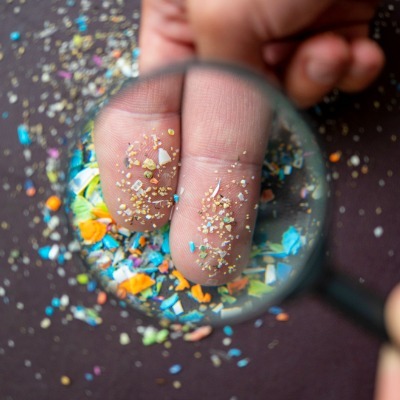 Microplastics are tiny plastic particles, generally smaller than 5 millimeters. Smaller versions, called nanoplastics, are so small they can only be seen under powerful microscopes.
Microplastics come from everyday materials like water bottles, food packaging, and synthetic fabrics that break down over time. Once they enter the environment, they do not disappear. Instead, they move through air, soil, food, and water.
According to a National Institute of Health (NIH) summary of a 2024 study published in the Proceedings of the National Academy of Sciences (PNAS), microplastics and nanoplastics have been detected in human blood and tissues. This raises new questions about how these particles interact with the body over time.
Where Do Microplastics in Drinking Water Come From?
Bottled Water and Plastic Packaging
It may come as a surprise, but bottled water can be a major source of microplastics.
Researchers at Ohio State University have found that bottled water can contain significant amounts of plastic particles, often more than people expect. The research was published in the journal Science of the Total Environment in January of this year, and showed that some bottled water samples contain even higher levels of microplastics than tap water.
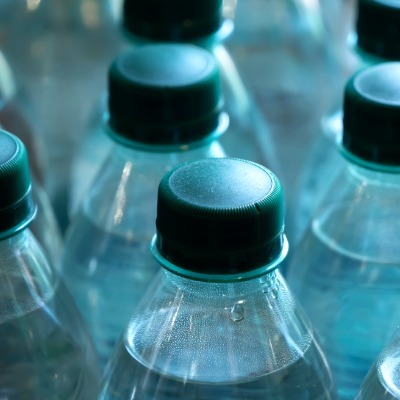 This can happen during:
- The bottling process
- Opening and closing caps
- Heat exposure during storage or transport
Over time, the plastic packaging slowly breaks down, affecting the quality of the water.
Municipal Water Systems
Tap water is not immune.
Microplastics enter water supplies through environmental runoff, wastewater discharge, and general pollution. While treatment facilities remove a portion of these particles, they are not designed to eliminate all of them.
According to the United States Environmental Protection Agency, microplastics are considered an emerging contaminant, and research is ongoing to better understand their presence and potential health risks.
 Environmental Exposure
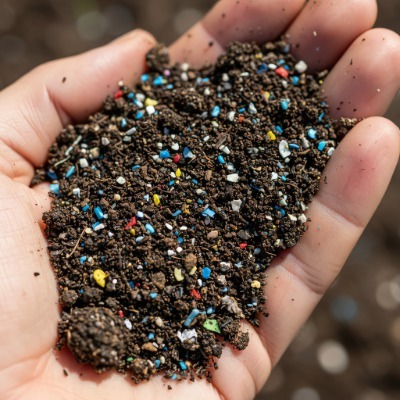
Microplastics are now part of the broader environment. They have been found in oceans, lakes, soil, and even the air we breathe.
Because of this, exposure does not come from just one source. It’s continuous and cumulative, making drinking water just one piece of a much larger picture.
Health Risks: What Do We Know So Far?
This is where things are still evolving.
Scientists don’t have all the answers about its long-term health effects. However, early research is enough to raise concern.
A 2025 study published in the journal Cureus explored how microplastics and nanoplastics can enter the bloodstream and tissues. In another study published in Scientific Reports (December 2024), nanoplastics were detected in nearly 90% of participants’ blood samples.
Because of their extremely small size, these particles may be able to cross biological barriers and interact with cells.
Researchers are currently exploring potential links to:
- Inflammation
- Oxidative stress
- Disruption of normal cellular function

Why Microplastics May Be More Harmful Than They Appear
 Microplastics are not just plastic; they can act like tiny carriers. These particles can attract and hold onto other substances, including:
-
- Heavy metals
- Industrial chemicals
- Endocrine disruptors
This raises an important question: is the risk coming from the plastic itself, or from what it carries with it?
At this stage, scientists are still working to understand the full picture, but it is enough for the EPA and HHS to take action.
Bottled Water vs. Tap Water: Which Is Better?
It is easy to assume bottled water is cleaner. It’s more complicated.
A 2025 review published in the Journal of Hazardous Materials found that bottled water can contain levels of microplastics comparable to, or in some cases higher than, tap water. The packaging itself plays a major role in this contamination.
That does not mean tap water is perfect. It simply shifts the conversation. Instead of choosing between two imperfect options, more people are focusing on how to improve the water they drink at home.
How to Reduce Microplastics in Drinking Water
There is no way to eliminate 100% of microplastics from your life. But you can make small changes which can significantly lower your exposure to microplastics over time.
Reduce Single-Use Plastics
Switch to glass or stainless-steel water bottles when possible. If you are using plastic bottles, avoid leaving plastic bottles in hot environments, as heat accelerates breakdown.
Be Mindful of Food Storage
Use non-plastic containers, especially when heating food. This helps reduce additional exposure from food sources.
Focus on Your Drinking Water
Water is something you consume daily, improving its quality is one of the simplest and most effective steps you can take.
Can Water Filters Remove Microplastics?
Basic water filters, like standard pitcher systems, can improve taste and reduce contaminants. However, there are thousands of drinking water systems on the market, and they are have different capabilities. Most do a great job at improving the taste and odor of water. But most are not designed to address emerging contaminants like microplastics or PFAS (per- and polyfluoroalkyl substances, often called “forever chemicals”).
More advanced filtration systems are designed to reduce a broader range of contaminants, including very fine particles.
When evaluating a system, look for:
- Independent certifications (such as NSF)
- Filtration technology (solid carbon block vs. loose carbon)
- Ability to reduce both particulates and chemical contaminants
A Closer Look at High-Quality Filtration
Different filtration approaches may be effective depending on water quality and the contaminants you want addressed.
Some advanced systems use solid carbon block filtration, which creates a dense structure capable of reducing very small particles and a wide range of contaminants.
They are also independently tested and certified, providing verification that the system performs as claimed.
For many households, upgrading filtration also reduces reliance on bottled water, cutting down both plastic exposure and environmental waste at the same time.

FAQ’s: Microplastics in Drinking Water
- What are microplastics in drinking water?
Tiny plastic particles (less than 5 mm) found in tap and bottled water due to environmental contamination and plastic breakdown.
- Are microplastics harmful to humans?
Research is ongoing, but early findings suggest potential risks related to inflammation and cellular stress.
- Is bottled water safer than tap water?
Not necessarily. According to a report in TIME Magazine, plastics in bottled water is much worse that previous thought. They quote a study by the Journal of the National Academy of Sciences that found there were 240,000 plastic fragments in a liter of bottled water that they tested.
- How can you remove microplastics from water?
Using advanced, certified water filtration systems is currently one of the most effective ways to reduce exposure.

Final Thoughts
Microplastics are not something you can completely eliminate from your life. They are found in our air, water and all around the world, from the top of Mount Everest to the deepest ocean trenches. They are now part of the environment we live in. But exposure isn’t all-or-nothing. It’s cumulative.
And that is what makes small, consistent choices, especially around something as routine as drinking water, worth paying attention to.