
Posted by Michele Priest on Jul 15th 2026
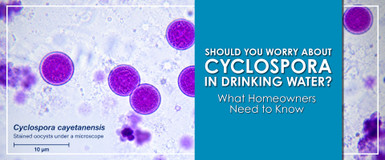
Should You Worry About Cyclospora in Drinking Water?
What Homeowners Need to Know
News reports about Cyclospora outbreaks have left consumers wondering if their drinking water is also at risk. It's a reasonable question, especially since the parasite can be spread through contaminated food or water.
In the United States, Cyclospora outbreaks are most often linked to fresh produce rather than treated public drinking water. According to the U.S. Food and Drug Administration (FDA) and the Centers for Disease Control and Prevention (CDC), fresh fruits and vegetables that become contaminated before they reach consumers have been the source of most documented outbreaks.
|
Current Cyclospora outbreaks are linked primarily to contaminated fresh produce, not treated municipal drinking water. Washing produce, following FDA recalls, and understanding your drinking water quality are the best ways to reduce your risk. |

Although Cyclospora oocysts can persist in contaminated water and are relatively resistant to the chlorine concentrations commonly used in drinking water treatment, U.S. public water systems rely on multiple treatment barriers, including source water protection and filtration, to help reduce the risk of transmission. As a result, transmission through treated municipal drinking water is considered uncommon. That's why public health investigations typically focus on contaminated produce rather than municipal drinking water systems.
Understanding this difference helps consumers take the right precautions: safely handling fresh produce while also recognizing that other contaminants including lead, PFAS (forever chemicals), microplastics, bacteria, and viruses may pose more relevant concerns for everyday drinking water quality.
Key Takeaways
- Recent Cyclospora outbreaks in the United States have been linked primarily to contaminated fresh produce.
- Cyclospora contamination usually occurs before produce reaches consumers, making prevention while growing and harvesting important.
- Washing fruits and vegetables under running water is recommended, but it cannot guarantee the removal of Cyclospora.
- While Cyclospora is not considered a primary concern in U.S. drinking water, other contaminants including lead, PFAS, microplastics, bacteria, and viruses may be present depending on local conditions.
- Choosing an NSF-certified drinking water filtration system helps ensure that contaminant reduction claims have been independently tested and verified.
What Is Cyclospora?
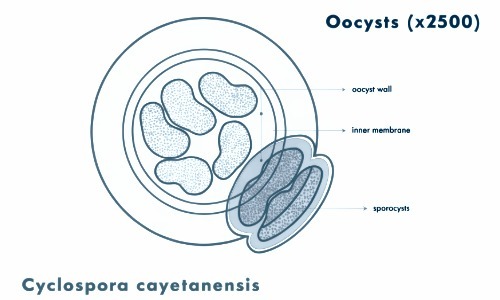
Cyclospora cayetanensis is a parasite that infects the small intestine. After a person consumes contaminated food or water, symptoms typically begin about one week later and may include:
- Frequent watery diarrhea
- Stomach cramps
- Nausea
- Fatigue
Unlike many bacteria that multiply directly on food, Cyclospora has a unique life cycle. The CDC explains that the parasite must first leave an infected person's body and then spend days to weeks in the environment before it becomes infectious. Because of this, Cyclospora is not typically spread directly from one person to another.
Produce Most Commonly Associated with Cyclospora Outbreaks
The U.S. Centers for Disease Control (CDC) has identified several produce items that have been associated with Cyclospora illnesses, including:
- Fresh cilantro
- Basil
- Leafy greens
- Salad mixes
- Raspberries
- Snow peas
Unlike many foodborne bacteria, Cyclospora contamination usually occurs before fruits and vegetables are harvested or packaged. According to the U.S. Food and Drug Administration (FDA), produce can become contaminated when it encounters water or soil containing the parasite during growing, harvesting, or processing.
Potential sources of contamination include:
- Agricultural irrigation water contaminated with human fecal matter
- Water used to wash produce during processing
- Poor sanitation practices in growing or packing areas
- Inadequate worker hygiene during harvesting and handling
 Because fresh produce is often eaten raw, there is no cooking step to kill the parasite before it is consumed. That's why preventing contamination at the farm and processing facility is the most effective way to reduce the risk of cyclosporiasis.
The FDA and produce growers use science-based food safety practices, including safe irrigation water, sanitation, worker hygiene, and agricultural monitoring to reduce contamination before produce reaches consumers.
These preventive measures help reduce the likelihood of contamination long before fresh produce reaches grocery stores or your kitchen.
FDA continues working with domestic growers and international producers to reduce contamination risks through inspections, traceback investigations, and food safety initiatives.
How to Wash Fruits and Vegetables to Help Reduce the Risk of Cyclospora
While Cyclospora contamination generally occurs before produce reaches your home, proper handling can help reduce the risk of exposure to many harmful microorganisms as well as remove dirt and surface debris.
It's important to understand one limitation: washing produce cannot reliable remove Cyclospora. The parasite can adhere to the surface of produce, rinsing alone may not eliminate it completely. That's why preventing contamination on the farm is the most effective line of defense.
FDA recommends these 7 simple steps to clean fruits and vegetables:
- Wash Your Hands First
- Rinse Under Running Water
- Use a Produce Brush When Appropriate
- Remove Outer Leaves
- Dry with a Clean Towel
- Refrigerate Promptly
- Don’t Use Soap or Detergents
What Should You Do During a Cyclospora Outbreak?
If the FDA or CDC announces that a particular product has been linked to a Cyclospora outbreak, follow their recommendations carefully.
Consumers should:
- Check recall notices before consuming the product.
- Throw away recalled produce, even if it looks and smells normal.
- Clean any surfaces or containers that may have come into contact with recalled foods.
- Contact a healthcare provider if symptoms of cyclosporiasis develop after eating recalled produce.
Food recalls are issued because visual inspection cannot determine whether produce is contaminated.
Current recalls and outbreak investigations are available through the FDA's Food Safety Alerts page:
Can Cyclospora be Found in Drinking Water
After hearing about Cyclospora, many consumers naturally begin wondering whether their tap water is safe.
Although Cyclospora can be transmitted through contaminated food or water, recent U.S. outbreaks have been linked primarily to contaminated fresh produce.
Cyclospora vs. Cryptosporidium: What is the Difference
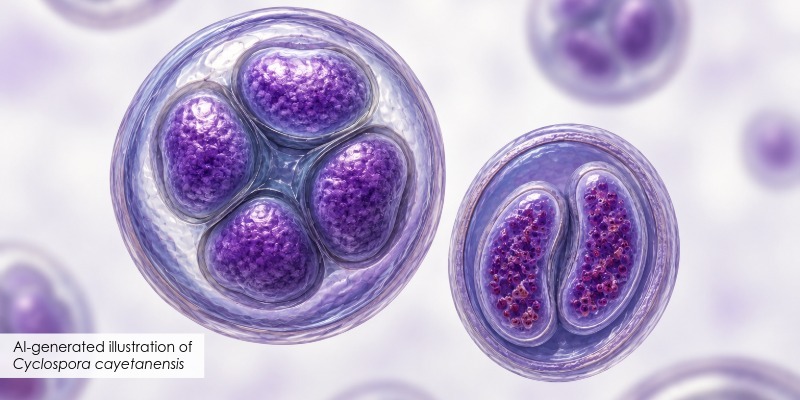
Some consumers are familiar with Cryptosporidium ("Crypto"), another waterborne parasite that is known for being resistant to the levels of chlorine commonly used in drinking water treatment. Cyclospora behaves similarly in that it is also relatively resistant to chlorine disinfection. Both parasites form protective oocysts that make them more resistant to chlorine than many bacteria and viruses. However, Cyclospora oocysts are larger than Cryptosporidium oocysts. Because water filters certified for cyst reduction work by physically reducing particles of this size, larger oocysts are generally easier to capture than smaller ones. As with any filtration system, consumers should verify that the specific product has been independently certified for cyst reduction.
However, homeowners are often more concerned about other contaminants that may be present in their drinking water.
|
Contaminant |
Why It Matters |
|
Lead |
Can leach from older plumbing |
|
PFAS |
Persistent chemicals found in some water supplies |
|
Microplastics |
Detected in both tap and bottled water |
|
Bacteria and Viruses |
Can cause boil water alerts |
|
Cryptosporidium |
Waterborne parasite that is resistant to chlorine |
These contaminants differ from Cyclospora because they may be encountered more routinely, depending on your water source and local conditions. That's why understanding your water quality and choosing a filtration system that has been independently tested and certified for the contaminants you want to reduce, is an important part of protecting your family's drinking water.
Lead: Why Older Plumbing Still Matters
Lead isn't typically found in water leaving a treatment plant. Instead, it can enter drinking water as it travels through older service lines, household plumbing, faucets, and plumbing fixtures that contain lead.
This means two homes served by the same municipal water system can have very different lead levels depending on the age of their plumbing.
 Even low levels of lead exposure are a concern because the metal can build up in the body over time. According to the U.S. Environmental Protection Agency (EPA), infants, young children, and pregnant women are especially vulnerable because lead can affect developing brains and nervous systems. For adults, long-term exposure may contribute to cardiovascular and kidney problems.
Communities across the country are replacing lead service lines, but millions of older homes may still contain plumbing materials that contribute lead to drinking water. For homeowners living in older houses, understanding whether lead plumbing is present is an important first step in reducing exposure.
PFAS: Why They Are Called “Forever Chemicals”
PFAS, short for per- and polyfluoroalkyl substances, have been used for decades because they resist heat, grease, oil, and water. They're found in products ranging from stain-resistant fabrics and food packaging to firefighting foam and certain industrial processes.
The challenge is that many PFAS break down extremely slowly. Once released into the environment, they can remain in soil and groundwater for years, eventually reaching rivers, lakes, and some drinking water supplies.
Because of their persistence, scientists have detected PFAS in communities across the United States. In response, the EPA has established national drinking water standards for several PFAS compounds and continues working with water systems to reduce exposure.
Although not every community has PFAS contamination, growing awareness has made these chemicals one of the most discussed drinking water issues in recent years.
Microplastics: Tiny Particles Receiving Big Attention
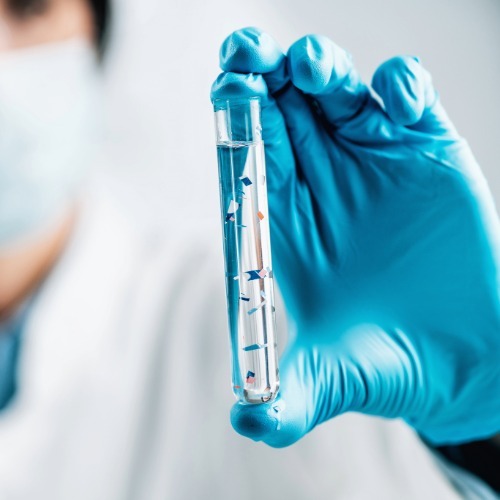 Microplastics are tiny plastic particles that form when larger plastic items break down or are manufactured in tiny sizes. Researchers have detected them in oceans, rivers, lakes, rainwater, bottled water, and tap water around the world.
Scientists have also reported finding microplastics in human blood , lung tissue, placentas, and other organs using increasingly sensitive analytical methods. Researchers are actively studying what these findings mean for long-term human health, and many questions remain unanswered.
Even though the science is still evolving, microplastics have become an important drinking water topic because they highlight the growing impact of plastic pollution on the environment. For many consumers, reducing unnecessary exposure is one practical step they can take while research continues.
Bacteria and Viruses: Why Water Treatment Matters
Municipal drinking water systems use multiple treatment barriers, which may include filtration and disinfection, to reduce bacteria and viruses before water reaches homes. That's one reason waterborne disease outbreaks associated with public water systems are relatively uncommon in the United States.
However, contamination can still occur after severe storms, flooding, water main breaks, or failures within a distribution system. These events may lead public health officials to issue boil water advisories until testing confirms the water is safe again.
Private well owners face a different situation because private wells are generally not regulated under the Safe Drinking Water Act. CDC recommends routine well testing and appropriate treatment when contamination is identified.
Why the Right Water Filter Matters
News headlines often focus on a single outbreak like Cyclospora because it affects many people over a short period.
But when it comes to your family's drinking water, the contaminants you're exposed to every day deserve equal attention.
Lead, PFAS, microplastics, bacteria, and viruses present very different treatment challenges. Addressing them requires a filtration system that has been independently tested and certified to reduce these specific contaminants, not simply ones that make broad marketing claims.
Why NSF Certification Matters More Than Marketing Claims
If you've ever shopped for a water filter, you've probably seen phrases like "purifies water," "advanced filtration," or "removes all contaminants from your water." While those claims may sound reassuring, they don't necessarily tell you what the filter has been independently tested to reduce.
One of the best ways to evaluate a drinking water filtration system is to look for NSF certification.
 NSF is an independent, nonprofit organization that develops public health standards and tests products to verify they perform as claimed. When a water filtration system is certified to an NSF/ANSI standard, consumers have confidence that the product has been evaluated against independently established performance requirements, not just the manufacturer's own claims.
For example, depending on the model, NSF-certified drinking water systems may be certified to reduce contaminants such as Lead or PFAS, while other systems are only certified for the reduction of chlorine.
The key is to verify which contaminants the specific model is certified to reduce, since certifications vary from one product to another.
A Smarter Approach to Protecting Your Drinking Water
Food safety and drinking water safety are both essential to protecting your family's health, but they require different approaches.
To reduce the risk of foodborne illness:
- Follow FDA recall notices.
- Wash produce under running water.
- Practice good kitchen hygiene.
- Store fresh produce properly.
- Discard recalled foods promptly.
To reduce exposure to drinking water contaminants:
- Review your annual Consumer Confidence Report (CCR) if you receive municipal water.
- If you have a private well, test your water regularly.
- Replace aging plumbing when practical.
- Choose a drinking water filtration system that has been independently certified to reduce the contaminants of concern in your home.
Taking these simple steps can help reduce exposure to a wide range of contaminants while giving you greater confidence in both the food you eat and the water you drink.
How Multipure Helps Protect Drinking Water Quality
While Cyclospora outbreaks are linked to contaminated produce rather than U.S. drinking water, many homeowners are looking beyond a single news headline and asking a broader question:
"How can I improve the quality of the water my family drinks every day?"
That's where an independently certified water filtration system can make a meaningful difference.
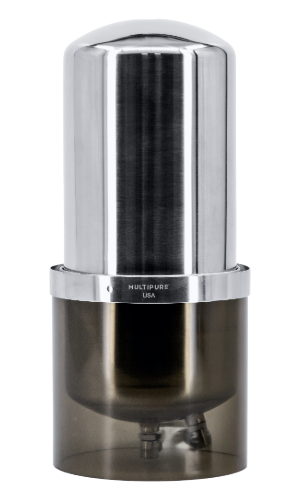 Multipure drinking water systems use solid carbon block filtration technology and are independently certified by NSF to reduce a broad range of drinking water contaminants. Depending on the specific model, certifications include the reduction of contaminants such as:
- Lead
- PFAS (including PFOA and PFOS on certified models)
- Microplastics
- Cysts
- Asbestos
- Chlorine (taste and odor)
- Volatile organic compounds (VOCs)
- Certain bacteria and viruses on models certified for microbiological reduction
Multipure encourages consumers to review each of their product's NSF certifications and performance data so they can make an informed decision based on independently verified testing.
Whether you're selecting fresh produce at the grocery store or reviewing your home's drinking water quality, informed choices are one of the best ways to reduce everyday exposure to contaminants. Understanding where risks exist, and where they don't, helps you focus on the steps that make the greatest difference for your family's health.

Frequently Asked Questions
- Can Cyclospora be removed by washing fruits and vegetables?
Washing produce under running water helps remove dirt and some microorganisms, but the FDA notes that rinsing alone may not eliminate Cyclospora. - Is Cyclospora found in tap water?
Although Cyclospora can be transmitted through contaminated food or water, recent U.S. outbreaks have been associated primarily with contaminated fresh produce rather than treated municipal drinking water. - What contaminants should homeowners be concerned about in drinking water?
Depending on where you live, contaminants of concern may include lead, PFAS, microplastics, bacteria and viruses. Reviewing your Consumer Confidence Report and using appropriate filtration can help reduce exposure. - Why is NSF certification important?
NSF certification means a product has been independently tested to verify that it reduces specific contaminants according to established performance standards. It provides consumers with confidence that claims are supported by objective testing.
Trusted Sources
- Centers for Disease Control and Prevention (CDC)
- Food and Drug Administration (FDA)
- Environmental Protection Agency (EPA)
- Centers for Disease Control and Prevention (CDC)
- World Health Organization (WHO)
- NSF