
Posted by Michele Priest on Jul 1st 2026
Water Conservation Tips:10 Simple Ways to Save Water at Home
Every Drop Counts
 Clean, safe drinking water is easy to take for granted. Turn on the faucet and water flows. But behind that convenience is an extensive network of reservoirs, treatment plants, pipes, pumps, and natural water sources that require careful management.
As communities grow and weather patterns change, conserving water has become increasingly important. Population growth, aging infrastructure, drought conditions, and increasing demand all place pressure on local water supplies. While many regions receive adequate rainfall during parts of the year, water conservation remains an essential practice because freshwater resources are finite. According to the U.S. Geological Survey (USGS), only about 3% of Earth's water is freshwater, and much of that is unavailable for direct human use.
The good news is that conserving water doesn't require major lifestyle changes. Many of the most effective strategies are simple habits that save water every day without sacrificing comfort or convenience.
|
Water conservation means using water efficiently and avoiding unnecessary waste. Simple actions such as fixing leaks, installing WaterSense® fixtures, running full loads of laundry and dishes, watering landscapes wisely, and choosing drought-tolerant plants can significantly reduce household water use. Conserving water helps protect freshwater resources, reduces energy use for water treatment and distribution, lowers utility bills, and supports healthier ecosystems. |

Key Takeaways
- Only about 3% of Earth's water is freshwater, and much of it is unavailable for human use because it is locked in glaciers, ice caps, or deep underground.The average American uses 82 gallons of water each day at home, according to the U.S. Environmental Protection Agency (EPA).
- Household water leaks waste 900 billion gallons of water annually nationwide.
- Water conservation reduces strain on local water supplies while also lowering the energy needed to treat and transport drinking water.
- Small changes made consistently by millions of households can make a meaningful difference.
- Drought conditions affect large portions of the United States each year.

Why Water Conservation Matters
 Water conservation benefits far more than your monthly utility bill.
Reducing unnecessary water use helps preserve rivers, lakes, streams, wetlands, and groundwater aquifers that supply drinking water and support wildlife. It also reduces the energy required to pump, heat, treat, and distribute water throughout communities.
According to the EPA, household water efficiency also reduces the amount of wastewater that must be collected and treated before being returned to the environment.
In many parts of the United States, seasonal droughts have become more common. Conserving water during both wet and dry years helps communities build resilience for future water shortages.
Where Does Household Water Go?
Many people are surprised to learn where most indoor water is used.
According to the EPA WaterSense program’s residential water use estimates:
- Toilets account for approximately 24% of indoor household water use.
- Showers use about 20%.
- Faucets account for roughly 19%.
- Washing machines use about 17%.
- Leaks represent approximately 12% of indoor water use.
Understanding where water is used makes it easier to identify opportunities for conservation.
10 Practical Water Conservation Tips
1. Fix Leaks Promptly
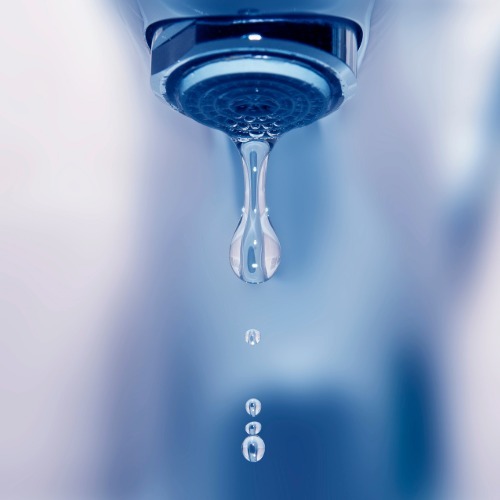 A dripping faucet may seem insignificant, but even small leaks waste water over time.
According to EPA WaterSense, household leaks waste nearly 900 billion gallons of water nationwide each year. Common sources include worn faucet washers, leaking showerheads, running toilets, irrigation systems, and outdoor hose connections.
Checking your home regularly for leaks is one of the easiest and most cost-effective ways to conserve water.
2. Install Water-Efficient Fixtures
Replacing older plumbing fixtures with water-efficient models can reduce water use without reducing performance.
Look for products carrying the EPA WaterSense® label, which identifies toilets, showerheads, bathroom faucets, and irrigation controllers that meet EPA efficiency and performance criteria.
Many WaterSense-certified products use at least 20% less water than standard models.
3. Take Shorter Showers
Showers account for a significant portion of indoor water use, especially when using hot water.
Reducing your shower by just a few minutes each day can save hundreds of gallons over the course of a year. Pairing shorter showers with a WaterSense-certified showerhead increases water savings even further.
4. Run Full Loads
Whether using a dishwasher or washing machine, wait until you have a full load before running the appliance.
Modern ENERGY STAR® certified dishwashers and washing machines are designed to maximize cleaning while minimizing both water and energy use, making full loads the most efficient choice.
5. Turn Off the Faucet When You Don't Need It
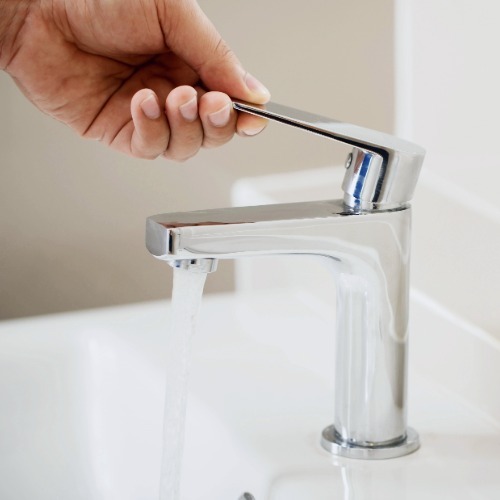 One of the simplest conservation habits is also one of the most effective.
Turn off the water while:
-
-
- Brushing your teeth
- Shaving
- Washing your face
- Scrubbing dishes before rinsing
-
These small moments add up over the course of weeks, months, and years.
6. Water Your Lawn Wisely
Outdoor irrigation can account for a substantial share of residential water use, particularly during warmer months.
The EPA recommends watering landscapes during the early morning when temperatures are cooler and evaporation is lower. Watering in the evening can increase the likelihood of prolonged moisture on plants, which can increase the risk of fungal disease in some plants.
Using mulch around plants also helps retain soil moisture, reducing the need for frequent watering.
7. Choose Native and Drought-Tolerant Plants
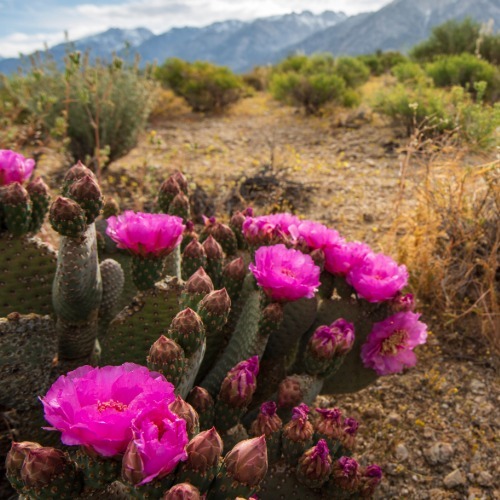 Landscaping with plants adapted to your local climate can significantly reduce outdoor water demand.
Native plants typically require less supplemental watering once established because they have evolved to thrive under local rainfall and soil conditions.
Many universities and state cooperative extension programs offer region-specific guidance on selecting water-efficient plants for home landscapes.
8. Collect Rainwater Where Permitted
Rain barrels capture rainwater from rooftops for use in watering gardens, flower beds, and landscaping.
Before installing a rain barrel, check your local and state regulations regarding rainwater collection, as requirements vary by location.
Collected rainwater is generally intended for outdoor, non-potable uses unless it has been treated appropriately.
9. Sweep Instead of Hosing
It can be tempting to use a garden hose to clean driveways, sidewalks, patios, and decks. However, sweeping these areas with a broom often gets the job done while using no water at all.
Similarly, use a bucket of water rather than a continuously running hose when washing your car. Better yet, visit a commercial car wash that recycles its water. Many professional facilities use water reclamation systems that filter and reuse water, reducing overall consumption.
10. Use Water Thoughtfully in the Kitchen
The kitchen offers several easy opportunities to conserve water without changing how you cook or clean.
Simple habits include:
-
-
- Keeping a pitcher of drinking water in the refrigerator instead of letting the faucet run until the water turns cold.
- Thawing frozen foods in the refrigerator instead of under running water.
- Washing fruits and vegetables in a bowl or basin, then using the leftover water to water outdoor plants when appropriate.
-
These small adjustments require little effort but can reduce water waste over time.

Outdoor Water Conservation Can Make the Biggest Difference
During the summer months, outdoor watering often becomes the largest source of household water use.
According to the EPA, in many regions of the United States, as much as 30% of residential water use occurs outdoors, primarily for lawn and landscape irrigation. In drier climates, outdoor water use can be even higher.
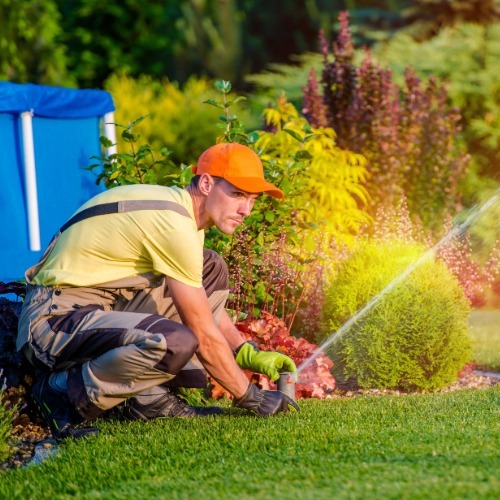 If you have an irrigation system, consider these best practices:
- Check sprinkler heads regularly for leaks, clogs, or misalignment.
- Adjust sprinkler patterns so they water plants not sidewalks or driveways.
- Install a WaterSense-labeled irrigation controller that automatically adjusts watering schedules based on local weather conditions.
- Water deeply but less frequently to encourage stronger root systems.
- Water early in the morning when evaporation rates are lowest.
Even modest improvements in irrigation efficiency can lead to meaningful water savings.
Water Conservation Also Saves Energy
Water and energy are closely connected. The Department of Energy notes that water heating accounts for about 18% of a home's energy use.
Using less water means:
- Less energy is required by municipal water systems.
- Less energy is used to heat water in your home.
- Lower utility bills for both water and electricity or natural gas.
Reducing hot water use is one of the simplest ways to lower household energy consumption.
Don't Forget About Drinking Water
Conserving water is important, but so is ensuring the water you drink meets your family's needs.
Public water systems in the United States are regulated under the Safe Drinking Water Act and provide drinking water that must meet federal standards. However, water quality can vary depending on the source water, local infrastructure, and conditions within household plumbing.
Many homeowners choose to review their community's annual Consumer Confidence Report (CCR) to learn more about their local drinking water, including its source and any detected contaminants. If you have concerns about your home's drinking water, NSF certified point-of-use filtration systems, when certified for specific contaminants under standards such as NSF/ANSI 42, 53, or 401, can provide an additional layer of filtration for specific contaminants, depending on the individual filter's certifications.
Choosing a water-efficient lifestyle and understanding your drinking water are complementary steps that help support both environmental stewardship and household health.

Small Changes Add Up
One person fixing a leaking toilet or shortening a shower may not seem significant. But when millions of households make similar choices, the cumulative impact is substantial.
Water conservation isn't about doing one big thing; it's about making many small decisions that become everyday habits.
Whether you're installing more efficient fixtures, planting drought-resistent plants or adjusting watering time, repairing leaks, or simply turning off the faucet while brushing your teeth, every action helps preserve freshwater resources for future generations.
Protecting water begins at home, and every drop truly counts.

Frequently Asked Questions
- Why is water conservation important?
Water conservation helps protect freshwater resources, reduces demand on public water supplies, lowers the energy needed to treat and deliver water, and can reduce household utility costs. Conserving water also helps preserve rivers, lakes, wetlands, and groundwater that support ecosystems and communities. - What is the easiest way to conserve water at home?
One of the easiest ways is to fix household leaks promptly. The U.S. Environmental Protection Agency estimates that the average household's leaks can waste nearly 10,000 gallons of water each year. Other simple habits include turning off the faucet while brushing your teeth, running only full loads of laundry and dishes, and taking shorter showers. - Does conserving water save money?
Yes. Using less water generally lowers water and sewer bills. It can also reduce energy costs because less hot water is used for showers, laundry, and dishwashing. - How much water does the average American use each day?
According to the U.S. Environmental Protection Agency, the average American uses approximately 82 gallons of water per day at home. - What are WaterSense® products?
WaterSense is an EPA program that identifies plumbing fixtures and irrigation products that meet specific water-efficiency and performance standards. WaterSense-labeled products use less water while maintaining performance. - Is outdoor watering a major source of water use?
Yes. The EPA reports that outdoor water use can account for 30% or more of residential water use in many parts of the United States, with even higher percentages in arid regions. - How can I conserve water without changing my lifestyle?
Many water-saving habits require little effort, such as fixing leaks, running full loads of laundry, turning off the faucet when brushing your teeth, and installing efficient fixtures.
Final Thoughts
Water conservation is one of the simplest ways individuals can make a positive environmental impact. Every gallon saved helps preserve freshwater resources, reduces the energy required to deliver clean drinking water, and supports more sustainable communities.
The best part is that conserving water doesn't require dramatic lifestyle changes. Repairing leaks, using water-efficient fixtures, watering landscapes responsibly, and practicing mindful daily habits can collectively make a meaningful difference.
Protecting our water resources is a shared responsibility, and the choices we make today help ensure clean, reliable water for future generations.
Sources and References
The information in this article is supported by guidance, research, and public resources from the following organizations:
U.S. Environmental Protection Agency (EPA)
U.S. Geological Survey (USGS)
National Oceanic and Atmospheric Administration (NOAA)
U.S. Department of Energy
NSF International
University of California Agriculture and Natural Resources