
Posted by Michele Priest on Jun 22nd 2026
Why Water Utilities Are Facing Growing Challenges and What It Means for Consumers
Most people rarely think about clean drinking water until a problem arises. Yet behind every glass of tap water is a complex network of treatment facilities, pipelines, reservoirs, testing programs, and trained professionals working to ensure water remains safe and reliable.
|
U.S. water utilities are managing increasing pressure from aging infrastructure, emerging contaminants like PFAS and microplastics, climate-related disruptions, workforce shortages, cybersecurity risks, and rising costs. These challenges are driving greater investment in infrastructure, advanced treatment, stronger monitoring, and long-term planning to help protect drinking water quality and system reliability. |

Today, water utilities across the United States are facing a growing number of challenges that extend far beyond routine treatment and distribution. Aging infrastructure, emerging contaminants such as PFAS and microplastics, climate-related pressures, workforce shortages, cybersecurity concerns, and rising costs are creating new obstacles for the systems responsible for delivering drinking water to millions of Americans.
Understanding these challenges can help consumers make more informed decisions about their drinking water and better appreciate how public water systems operate, and why protecting water quality requires ongoing investment and innovation.
Key Takeaways
- Water utilities are managing multiple challenges simultaneously, including aging infrastructure, funding needs, emerging contaminants, climate impacts, workforce shortages, and cybersecurity risks.
- The American Water Works Association (AWWA) identifies infrastructure investment and long-term water reliability among the industry's most significant concerns.
- Emerging contaminants such as PFAS, pharmaceuticals, and microplastics are increasing monitoring and treatment demands.
- Climate-related droughts, flooding, and wildfires can affect both water quantity and water quality.
- Utilities continue investing in resilience, infrastructure upgrades, source water protection, and advanced treatment technologies to maintain safe drinking water.

Aging Water Infrastructure Requires Significant Investment
Many components of America's drinking water infrastructure were built decades ago and are reaching or exceeding their intended service lives. There are over 2 million miles of underground pipes, including some that were laid in the 19th century and have reached the end of their life expectancy. Water mains, treatment facilities, storage tanks, pumps, and distribution systems require ongoing maintenance and replacement to continue operating effectively.
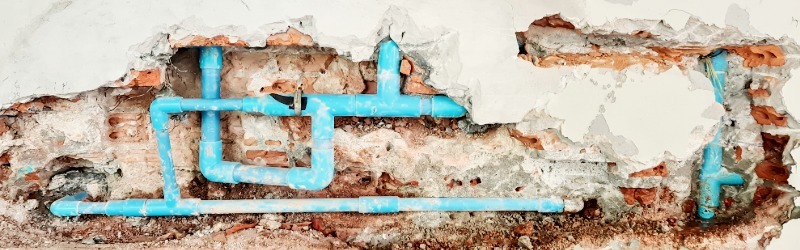
According to the American Society of Civil Engineers (ASCE), the nation's drinking water infrastructure requires an estimated $625 billion in investment over the next 20 years. ASCE notes that aging infrastructure and funding gaps remain significant concerns for communities across the country.
The American Water Works Association's 2026 State of the Water Industry Report similarly identifies aging infrastructure as one of the most pressing challenges facing utilities today. Water professionals also cite sustainable funding, regulatorry compliance, and long-term water supply reliability as top concerns.
For consumers, infrastructure investments may not always be visible, but they play a critical role in helping public water systems maintain water quality, reduce service disruptions, and improve system reliability.
Emerging Contaminants Are Expanding Monitoring and Treatment Demands
|
What are emerging contaminants? Emerging contaminants are substances increasingly detected in water that are not yet fully understood or broadly regulated but may pose environmental or health concerns. These can include PFAS, pharmaceuticals, personal care products, and microplastics. Their presence is often linked to advances in detection methods and ongoing scientific research. |
Scientific advances have improved our ability to detect contaminants at increasingly lower concentrations. As detection capabilities improve, utilities are being asked to evaluate and address a growing number of contaminants that were not routinely monitored in previous decades.
Among the most discussed emerging contaminants are per- and polyfluoroalkyl substances (PFAS), often called "forever chemicals" because they persist in the environment. A U.S. Geological Survey study estimated that at least 45% of U.S. tap water may contain detectable levels of one or more PFAS compounds.

Beyond PFAS, researchers continue studying pharmaceuticals, personal care products, endocrine-disrupting compounds, and microplastics in water resources. They have found that pharmaceuticals can enter water sources through human excretion, improper disposal, wastewater discharge, and agricultural runoff. The U.S. Geological Survey notes that growing awareness of these contaminants is tied both to advances in detection technologies and increasing scientific understanding of their potential environmental impacts.
Addressing emerging contaminants often requires additional testing, treatment evaluations, regulatory compliance efforts, and public communication. These activities can place additional financial and operational demands on utilities.
For a deeper look at PFAS in drinking water, including health risks and ways to reduce exposure, explore these related articles:
- Understanding PFAS in Drinking Water
- PFAS and Children: Health Risks, Exposure Through Drinking Water, and What Families Can Do
- PFAS and Pregnancy: What Research Shows About “Forever Chemicals” and Fetal Health - Multipure
How Climate Change Is Affecting Water Resources
Water professionals increasingly recognize climate-related impacts as a major factor affecting both water availability and water quality.
According to UN-Water, climate change affects water through worsening floods, droughts, wildfires, shrinking snow and ice resources, and changing precipitation patterns. These changes can influence both the quantity and quality of available water resources.
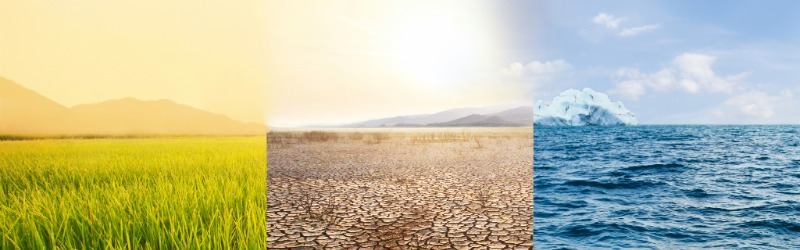
The U.S. Geological Survey reports that climate-related water challenges include increased drought, flooding, wildfire activity, rising water temperatures, and saltwater intrusion in coastal regions. These factors can affect source water quality, water availability, and long-term utility planning.
The Environmental Protection Agency also notes that drought conditions can affect water availability and water quality, creating additional resilience challenges for communities and utilities.
Utilities are increasingly incorporating long-term planning strategies to help prepare for changing environmental conditions and protect drinking water sources.

Workforce Challenges Are Growing
 Like many infrastructure sectors, the water industry is experiencing workforce-related challenges.
The AWWA’s 2025 State of the Water Industry report identifies workforce availability as a significant concern. Utilities report challenges related to employee retirements, recruitment efforts, and the need for specialized technical skills.
Operating a modern water system requires expertise in engineering, chemistry, microbiology, treatment technologies, regulatory compliance, information technology, and asset management. Replacing retiring professionals and developing new talent remains an important priority across the industry.
Investments in workforce development, training programs, and technical education are becoming increasingly important as utilities work to maintain operational excellence.
Cybersecurity Has Become a Water Sector Priority
Modern water systems rely on digital technologies to monitor operations, manage treatment processes, track water quality, and maintain system performance.
While these technologies improve efficiency and reliability, they also create new cybersecurity considerations.
 The American Water Works Association reports that cybersecurity continues to rank among the industry's leading concerns. In its 2025 State of the Water Industry report, 73% of respondents rated cybersecurity as very important to critically important.
Similarly, AWWA's 2024 report identified cybersecurity as a growing area of investment for utilities.
Protecting operational technology systems and digital infrastructure has become an important component of maintaining resilient water services.
Funding Pressures Continue to Increase
Addressing infrastructure needs, regulatory requirements, workforce development, cybersecurity investments, and emerging contaminants often requires substantial financial resources.
The American Water Works Association reports that many of the industry's challenges are interconnected. Infrastructure improvements, water quality concerns, climate resilience efforts, cybersecurity measures, and workforce needs all compete for funding and operational attention.
As utilities balance these priorities, long-term planning and capital investment strategies become increasingly important for maintaining reliable service and protecting public health.
How Utilities Are Responding
Despite these challenges, water utilities continue working to strengthen system resilience and improve drinking water protection.
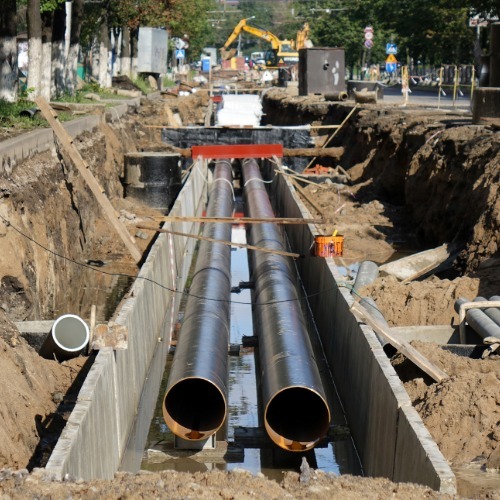 Efforts underway across the industry include:
- Replacing aging infrastructure
- Expanding source water protection programs
- Investing in advanced treatment technologies
- Improving cybersecurity preparedness
- Enhancing emergency response planning
- Developing workforce recruitment and training initiatives
- Increasing monitoring for emerging contaminants
The EPA's drinking water infrastructure research program focuses on maintaining water quality, improving system reliability, and developing practical solutions for utilities and communities.
These efforts help utilities adapt to changing conditions while continuing to provide safe and reliable drinking water.
What Consumers Can Do
While utilities play the primary role in treating and delivering drinking water, consumers can take proactive steps to stay informed about their own water quality.
Consider:
- Reviewing your local Consumer Confidence Report (CCR)
- Learning about your community's water source
- Staying informed about local water quality updates
- Testing private well water regularly, if applicable
- Understanding the capabilities and limitations of home water treatment systems
For households seeking an additional layer of protection, water filtration systems certified to NSF/ANSI standards for specific contaminant reduction may be one option to consider based on local water quality concerns. 

Frequently Asked Questions
- What is the biggest challenge facing water utilities today?
Industry surveys consistently identify aging infrastructure, funding needs, and long-term water supply reliability among the most significant challenges facing utilities. - Why are emerging contaminants becoming a larger concern?
Advances in scientific testing allow researchers to detect contaminants at lower levels than ever before. This has increased awareness of contaminants such as PFAS, pharmaceuticals, and microplastics. - How does climate change affect drinking water systems?
Climate-related droughts, floods, wildfires, changing precipitation patterns, and rising temperatures can affect both water availability and water quality. - Why is cybersecurity important for water utilities?
Many treatment and distribution systems rely on digital technologies for monitoring and operations. Cybersecurity measures help protect these systems and support reliable water service.
Trusted Sources
- American Water Works Association (AWWA) - State of the Water Industry - American Water Works Association
- American Society of Civil Engineers (ASCE) - Nation's water infrastructure is aging and underfunded
- U.S. Environmental Protection Agency (EPA) - US Drinking Water Infrastructure | ASCE
- U.S. Environmental Protection Agency (EPA) - Drought Resilience and Water Conservation | US EPA
- U.S. Geological Survey (USGS) - Pharmaceuticals in Drinking Water
- U.S. Geological Survey (USGS) - Tap water study detects PFAS ‘forever chemicals’ across the US | U.S. Geological Survey
- UN-Water - Water and Climate Change | UN-Water