

Posted by Michele Priest on Jun 1st 2026
World Environment Day 2026: Simple Ways to Take Action Locally
Every year on June 5, communities across the globe recognize World Environment Day—an initiative led by the United Nations Environment Programme to inspire awareness and action around today’s most pressing environmental challenges.
Since its launch in 1972, World Environment Day has grown into one of the largest global environmental outreach efforts, with participation from more than 150 countries. Each year highlights a different theme, and in 2026 the focus centers on climate acion and environmental resilience—an approach that emphasizes working with natural systems to address environmental challenges.
While global campaigns often spotlight large-scale issues like climate change, biodiversity loss, and pollution, the core message remains grounded: meaningful environmental progress often starts at the local level. The actions individuals, families, and communities take every day, especially around water use, waste reduction, sustainability, and resource conservation, can create measurable impact over time.

Why World Environment Day Matters More Than Ever
 Environmental concerns are no longer distant or abstract. They are closely tied to everyday life, affecting the quality of the air we breathe, the water we drink, and the ecosystems that support food production and our health.
According to the United States Environmental Protection Agency (EPA), reducing waste, recycling, and reusing materials helps conserve natural resources, reduces energy consumption, and lowers greenhouse gas emissions.
Plastic pollution continues to be a growing global issue. The EPA reports that many plastic products can persist in the environment for hundreds of years, breaking down into smaller particles that can accumulate in oceans, soil, and even drinking water sources.
At the same time, research and programs supported by the National Oceanic and Atmospheric Administration highlight how local efforts, such as community cleanups, watershed protection, and environmental education, can significantly reduce pollution while increasing long-term awareness and engagement.
In other words, while the challenges are global, many of the solutions are local and accessible to all of us.
5 Practical Ways to Participate in World Environment Day 2026
One of the strengths of World Environment Day is that participation doesn’t require specialized knowledge or large-scale resources. Simple, consistent actions can make a meaningful difference.
1. Organize or Join a Community Cleanup
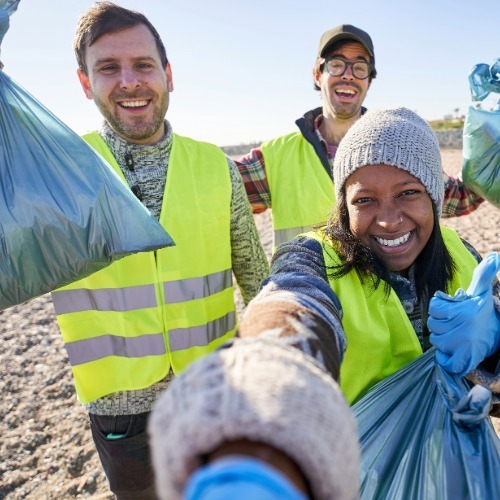 Local cleanups are one of the most visible ways to create environmental impact.
Whether it’s a neighborhood park, hiking trail, beach, or roadside, litter tends to accumulate in shared spaces. Over time, that debris can enter storm drains and waterways, contributing to larger pollution problems.
Community cleanups:
- Remove waste before it spreads into ecosystems
- Improve the appearance and usability of public spaces
- Build a sense of shared responsibility
- Offer hands-on environmental education for participants
Even small cleanup efforts can remove significant amounts of waste in just a few hours.
2. Reduce Single-Use Plastics at Home
Reducing plastic waste is one of the most practical ways individuals can contribute to environmental protection.
Small changes can add up quickly:
- Switching to reusable water bottles
- Using cloth shopping bags
- Using refillable food containers
- Choosing products with minimal packaging
As awareness around plastic waste grows, so does concern about microplastics, tiny particles that can form as larger plastics break down over time. Studies have identified microplastics in waterways and drinking water sources, highlighting growing interest in understanding long-term exposure.
For a deeper look at how microplastics form and where they’re being found, you can explore our resources on understanding microplastics in drinking water and what it means for everyday households.
The EPA emphasizes that reducing plastic at the source is more effective than relying on recycling alone, especially since not all plastics are easily recyclable.
Over time, these changes can significantly reduce the amount of waste sent to landfills and the environment.
3. Protect Local Water Sources
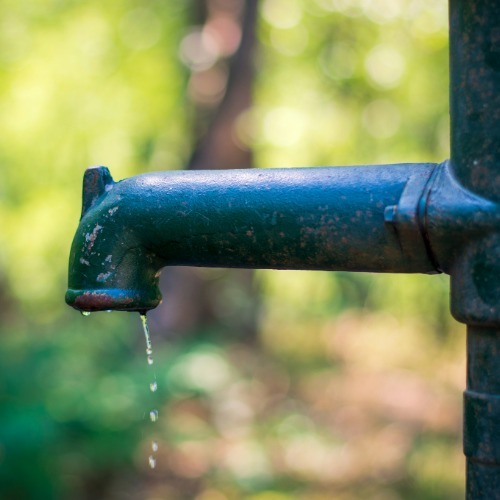 Water is one of the most critical, and often overlooked, parts of environmental health.
Local water systems are directly affected by everyday activities. Runoff from lawns, improper disposal of household chemicals, and litter can all impact rivers, lakes, and groundwater.
Practical ways to support water stewardship include:
- Using fertilizers and pesticides sparingly
- Properly disposing of paint, oil, and chemicals
- Preventing litter from entering storm drains
- Fixing leaks and conserving water at home
These actions help reduce contamination and support cleaner, more sustainable water systems and local waterways for communities.
4. Get Kids and Schools Involved
Environmental awareness often begins with education, and hands-on experiences are often highly effective.
Schools and families can participate by:
- Starting small gardening or composting projects
- Organizing recycling drives
- Participating in local conservation events
- Incorporating environmental topics into everyday learning
Programs supported by NOAA suggest that students who engage directly in environmental activities are more likely to develop long-term stewardship habits.
These early experiences can shape how our future generations approach sustainability.
5. Encourage Sustainable Practices at Work
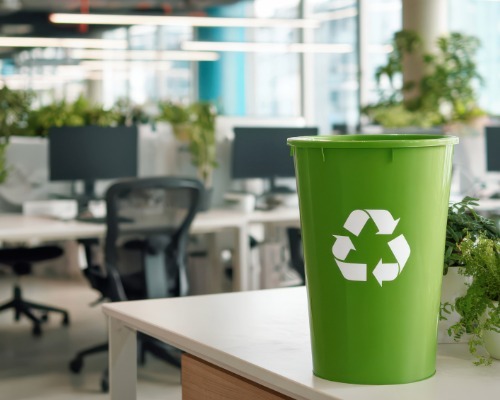 Businesses play an increasingly important role in environmental responsibility.
Even small operational changes can create meaningful impact:
- Reducing packaging waste
- Implementing recycling programs
- Hosting volunteer cleanup events
- Encouraging employees to adopt sustainable habits
Organizations that focus on consistent, practical improvements often strengthen relationships with customers and communities.
Water, Sustainability, and Everyday Choices
Environmental responsibility often comes down to everyday decisions—and water is a central part of that conversation.
From how water is used in the home to the way it is sourced and treated, individual choices can influence broader environmental outcomes.
For example, reducing reliance on single-use bottled water can help limit plastic waste, while staying informed about local water quality can support more sustainable long-term decisions.
World Environment Day provides a natural opportunity for each of us to pause and evaluate these habits. Even small adjustments, like reducing waste or improving water conservation and efficiency, can contribute to larger environmental goals over time.


Frequently Asked Questions
- What is World Environment Day?
World Environment Day is a global awareness event held each year on June 5 to encourage environmental protection and sustainability efforts worldwide. - Why is reducing plastic waste important?
The EPA states that plastic can remain in the environment for 100-1,000 years, contributing to pollution in oceans, soil, and water systems. Reducing use helps limit long-term environmental impact. - How can I participate locally?
You can start with simple actions like organizing a cleanup, personally reducing household waste, conserving water, or supporting local environmental programs. - Do small actions actually matter?
Yes. Research from organizations like the EPA and NOAA shows that community-level efforts, when adopted widely, can lead to measurable improvements in environmental quality. - How does water quality connect to environmental health?
Water is essential to ecosystems, agriculture, and human health. Protecting water sources helps reduce contamination and supports long-term sustainability.
Trusted Sources and Further Reading
- United Nations Environment Programme - World Environment Day
- U.S. Environmental Protection Agency - Recycling Basics
- EPA What You Can Do To Reduce Plastic Waste
- EPA - Impacts of Plastic Pollution
- NOAA - Environmental Ocean Guardian School program
- Microplastics in Drinking Water