
Posted by Michele Priest on Aug 17th 2026
Cyberattacks on Water Systems: What You Should Know
When it comes to cyberattacks on water systems, many people are asking: What happens to your drinking water when a water utility is hit by a cyberattack?
An attack does not automatically mean that tap water has been contaminated. However, cyberattacks on water systems could involve attacks on the computer systems that help operate water facilities can potentially disrupt treatment and distribution, interfere with equipment, or affect a utility's ability to operate normally.
For consumers, the most important steps are to know where your local water utility posts emergency information, follow official advisories, understand your local water quality, and consider an appropriately certified water filtration system for additional protection against specific contaminants.
Cyberattacks on Water Systems Are Happening Now
When most people think about cybersecurity, drinking water is probably not the first thing that comes to mind. More than likely consumers think about stolen passwords or hacked credit card accounts. Yet the same digital technology that helps a water utility monitor pump, control equipment, track water levels, and manage treatment processes can also create cybersecurity risks.
And those risks are no longer hypothetical.
In April 2026, the EPA, FBI, CISA, and NSA issued a joint cybersecurity advisory warning about Iranian-affiliated cyber activity targeting U.S. water systems and other critical infrastructure. The advisory identified vulnerabilities involving internet-connected operational technology and provided recommendations for water utilities to strengthen their defenses.
The federal government has continued to focus heavily on the issue. In February 2026, the EPA reported that it had identified cybersecurity vulnerabilities at 277 water systems during 2025 and worked with those systems to address more than 350 vulnerabilities. The message is clear: cyberattacks on water systems is probable, so cybersecurity has become an important part of protecting America's water infrastructure.
But what does all of this mean for the person turning on the kitchen faucet?
Why Are Water Systems Attractive Targets?
Water is essential to virtually every community. Homes, hospitals, schools, restaurants, businesses, farms and industries all depend on reliable water service. That makes water and wastewater systems part of the nation's critical infrastructure.
There is another factor that makes some water systems vulnerable: many utilities operate with limited resources. Smaller systems may have fewer employees, aging technology, and limited cybersecurity expertise.
Water treatment facilities also use specialized operational technology to control physical processes. These systems can include devices called programmable logic controllers (PLCs). PLCs are industrial computers that can control equipment and processes such as pumps, valves and other components. When these systems are connected to networks or the internet, they can potentially become targets for unauthorized access.
The EPA has specifically warned that cybersecurity vulnerabilities at drinking water systems can create risks to treatment and distribution operations.
That doesn't mean every water system is vulnerable or that an attack will result in unsafe water. It does mean cyberattacks on water systems is a possibility, so cybersecurity has to be considered alongside the physical security and operational reliability of the water system.
What Happened in 2026?
The April 2026 federal advisory brought renewed attention to a problem that water officials have been working to address for years.
According to the EPA, the advisory warned about Iranian-affiliated actors exploiting vulnerabilities involving operational technology used by critical infrastructure organizations, including water systems. The agencies provided information to help utilities identify the vulnerabilities being exploited and strengthen their cyber defenses.
This followed other federal efforts to identify and address weaknesses.
In February, the EPA reported that it had worked with 277 water and wastewater systems during 2025 to identify internet-facing cybersecurity vulnerabilities and confirmed more than 350 solutions.
The federal government has also been testing how well utilities can function when their digital systems are unavailable.
In July 2026, the EPA held its National Cybersecurity Drill, challenging drinking water and wastewater utilities to maintain critical functions during a simulated cyber incident in which telecommunications and internet access were unavailable or unreliable.
The exercise is important because cybersecurity isn't simply about keeping hackers out. It is also about making sure a water system can continue operating if part of its technology becomes unavailable.
How Does a Cyberattack Affect a Water System?
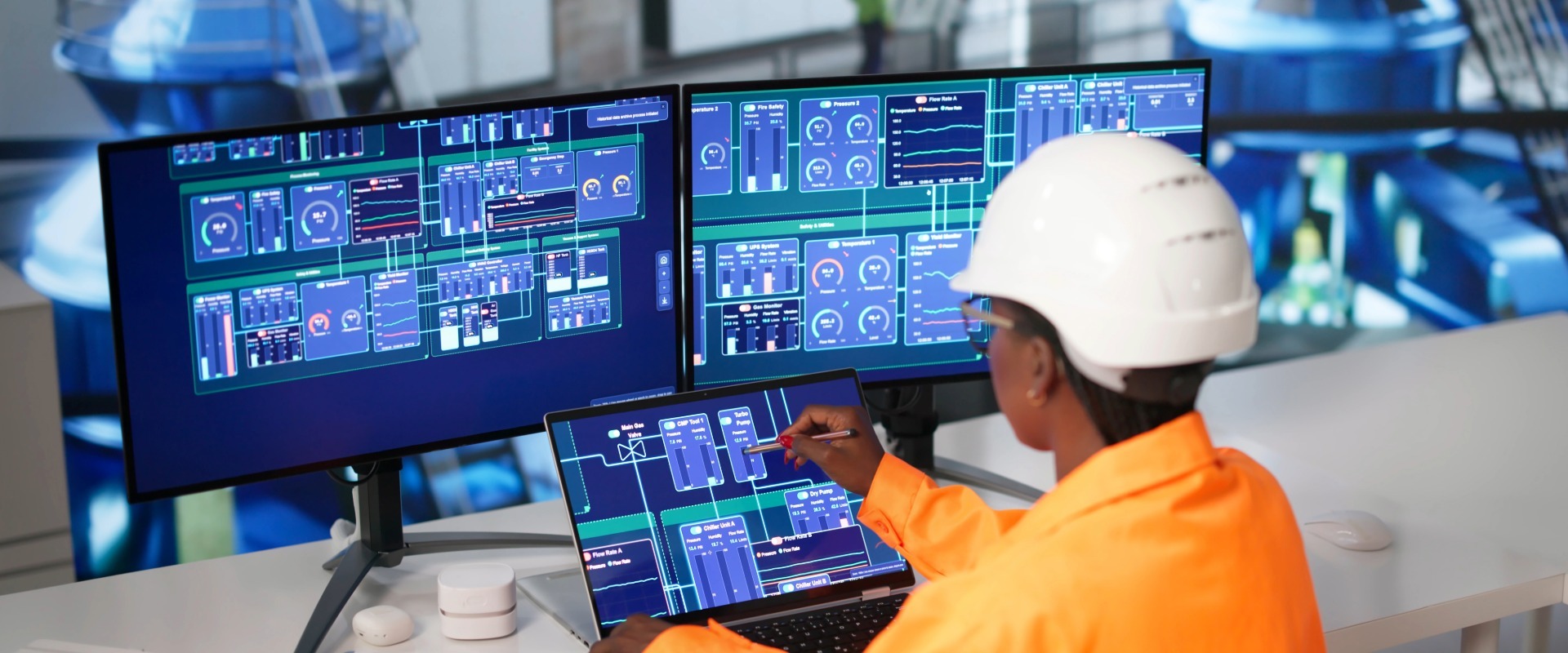
A modern water treatment plant is a combination of physical equipment, people and technology.
Digital systems can help operators:
- Monitor water pressure
- Control pumps and valves
- Monitor water levels
- Track equipment
- Manage treatment processes
- Receive alerts when something changes
- Collect and review operational information
If an attacker gains unauthorized access, the consequences can vary widely.
Cyberattacks on water systems might affect administrative systems such as billing or email. It could interfere with communications. It could disrupt certain operational systems. In more serious circumstances, unauthorized access to operational technology could affect physical equipment or treatment processes.
That's why water cybersecurity is taken seriously by federal agencies and water professionals. At the same time, it is important to put the risk into perspective. Cyberattacks on water systems does not automatically mean that drinking water is contaminated.
Water systems have multiple processes and safeguards in place, and utilities have trained personnel responsible for monitoring operations and responding to problems.
Could a Cyberattack Make Tap Water Unsafe?
This is probably the question most consumers want answered.
The answer is: it depends on what was compromised and how the utility responds.
Cyberattacks on water systems could affect a water utility's billing system, for example, would not necessarily affect the water coming from your faucet.
Likewise, an attack that temporarily disrupts administrative communications would be very different from an attack that interferes with operational technology responsible for controlling treatment equipment.
The EPA has warned that cyber incidents can potentially affect the operation of drinking water systems. That's why utilities are expected to assess cybersecurity risks and maintain emergency response procedures. Water utilities also have water quality monitoring, treatment processes, trained operators and regulatory requirements designed to protect public health.
The important point for consumers is simple: Don't assume that a reported cyberattack means your water is unsafe, but don't ignore an official water advisory either.
If your utility or local health department issues a boil-water notice, do not rely on assumptions about whether the cyberattack affected water quality. Follow the instructions provided by the appropriate authorities.
The CDC advises consumers to follow recommendations from local officials during a drinking water advisory because the appropriate response depends on whether the concern involves germs, chemicals, toxins or other contaminants.
What Might Consumers Notice?
 Cyberattacks on water systems doesn't necessarily change the water coming out of your faucet to affect you.
Depending on what systems are affected, consumers could experience:
- Difficulty accessing online utility accounts
- Billing interruptions
- Delayed customer service
- Communication problems
- Temporary changes in water service
- Delayed notifications
- Operational disruptions
In a more serious incident, a utility could issue a water-use restriction, boil-water advisory or other public health notice. The most important thing consumers can do is pay attention to official information from their water provider and local public health agencies. Social media posts and neighborhood discussions may spread information quickly, but they are not a substitute for an official water advisory.
Five Questions to Ask Your Local Water Utility
You don't have to be a cybersecurity expert to learn more about how your community prepares. Here are five practical questions you can ask your local water provider.
1. How will customers be notified during a cybersecurity incident?
Find out whether your utility uses text messages, email alerts, phone notifications, its website or another emergency communication system. If your utility offers emergency alerts, consider signing up.
2. Where should I look for official water advisories?
Know where your utility posts information about boil-water notices, water outages and other emergencies before an emergency occurs.
3. Does the utility have an emergency response plan for cyber incidents?
Water systems are subject to emergency planning and risk-assessment requirements, depending on the system and applicable regulations. You can ask how cybersecurity incidents are incorporated into the utility's emergency response procedures.
The EPA's 2026 national cyber drill specifically challenged utilities to maintain critical functions when internet and telecommunications access were unavailable or unreliable. Understanding how your local utility prepares for that possibility can provide useful insight into its overall resilience.
5. What should residents do if an incident occurs?
Ask your utility what consumers should do if there is a cyber incident affecting water operations. The answer may include signing up for emergency alerts, conserving water, avoiding certain uses, boiling water or following other instructions depending on the circumstances.
Cybersecurity Is Now Part of Water Security
 Digital technology has become an important part of managing water infrastructure. Protecting water supplies increasingly means protecting both the physical infrastructure and the computer systems that help operate it.
This doesn't mean consumers should be afraid to drink their tap water. It does mean consumers should become more informed about their local water system.
Start with your Consumer Confidence Report, sometimes called an annual drinking water quality report. Community water systems are required to provide these reports to customers each year, and the reports provide information about local water sources, detected regulated contaminants and compliance with drinking water standards.
Knowing what's in your water is useful regardless of whether your community ever experiences a cyberattack.
What Can You Do to Protect Your Drinking Water?
There is an important distinction between cybersecurity and water filtration. A water filter cannot prevent a cyberattack, protect a utility's computer network or stop hackers from accessing operational technology.
But consumers can choose to use a certified water filtration system to address specific contaminants that may be present in their drinking water, including PFAS (forever chemicals) and microplastics.
That's a separate issue, and an important one.
Public water systems are required to meet federal and state drinking water standards. However, some consumers want additional treatment at the point where they drink and cook with their water. That's where a properly certified home water filtration system can be useful.
Why an NSF-Certified Water Filter Matters
If you decide to use a home water filter, don't choose one simply because the packaging says it "removes contaminants." Look for independent certification and verify exactly what the product has been certified to reduce.
NSF explains that water treatment products can be certified to different standards and for specific contaminant-reduction claims. For example, NSF/ANSI 42 addresses certain aesthetic effects such as chlorine, taste and odor, while NSF/ANSI 53 covers specific contaminants with health effects. NSF/ANSI 401 addresses certain emerging compounds and incidental contaminants, including specific microplastics reduction claims. Most importantly, certification does not mean a filter removes everything. Certification is contaminant specific. NSF specifically advises consumers to verify that a product is certified for the particular contaminant they want to reduce.
That's why a good place to start is your local Consumer Confidence Report. It tells you what your water supplier has detected in your water and can help you identify what you may want to address at home. An NSF-certified point-of-use water filtration system can then provide an additional treatment step for the contaminants it has been certified to reduce. An NSF-certified point-of-use water filtration system can then provide an additional treatment step for the contaminants it has been certified to reduce. It works alongside municipal water treatment to provide additional protection at the tap.
Don't Let Cybersecurity Headlines Create Unnecessary Fear
Cyberattacks on a water system does not necessarily mean that water treatment or water quality has been affected. The appropriate response depends on what happened, what systems were affected and what the utility determines through its investigation.
- Rather than relying on rumors or social media speculation:
- Know your water provider.
- Sign up for emergency notifications.
- Read your annual water quality report.
- Follow official instructions during an emergency.
- Consider an appropriately certified water filter if you want additional protection against specific contaminants.
Preparedness is much more useful than panic.
The Bottom Line
Cybersecurity is becoming an important part of protecting America's drinking water.
The threats are real. In 2026, federal agencies warned about cyberattacks targeting water systems, the EPA continued identifying and helping utilities address cybersecurity vulnerabilities, and water providers participated in a national exercise designed to test their ability to maintain essential operations during a cyber incident.
But consumers don't need to live in fear of turning on the tap.
The best response is to stay informed and prepared. Know where your local water utility posts emergency information. Sign up for alerts. Read your annual Consumer Confidence Report. And if you want an additional layer of treatment at home, choose a water filtration system that has been independently certified for the specific contaminants you want to reduce.
Water security is changing. Protecting our water today means paying attention not only to what happens inside the treatment plant, but also to the technology that helps keep that plant running.
For consumers, knowledge remains one of the most practical ways to protect the water they depend on every day.
FAQs
Can hackers poison a city's drinking water?
Should I stop drinking tap water if my water utility is hacked?
Can a water filter protect my family from a cyberattack?
What should I look for when buying a water filter?
Where can I find out what's in my tap water?
Are smaller water systems more vulnerable to cyberattacks?
Sources & Further Reading
Centers for Disease Control (CDC)
U.S. Environmental Protection Agency (EPA)
Federal Bureau of Investigation (FBI)
Cybersecurity and Infrastructure Security Agency (CISA)
National Security Agency (NSA)