

Posted by Michele Priest on Nov 11th 2026
Why Do Cities Disinfect Drinking Water?
Disinfection of drinking water has played a crucial role in improving water quality in the United States, greatly reducing the occurrence of cholera and typhoid. Jersey City, New Jersey, was the first city in the United States to begin routinely disinfecting its drinking water in 1908.
Public water systems commonly use chlorine or chloramine to disinfect water and help protect it as it travels through distribution pipes to homes and businesses. Some utilities also use ultraviolet (UV) light or ozone as part of their treatment process. The method depends on the water source, treatment requirements, and the needs of the individual system.
Disinfection is a critical part of drinking water treatment, but it does not remove every possible contaminant. Utilities must manage microbial risks while also monitoring disinfectant levels and disinfection byproducts to help ensure water meets applicable drinking water standards.
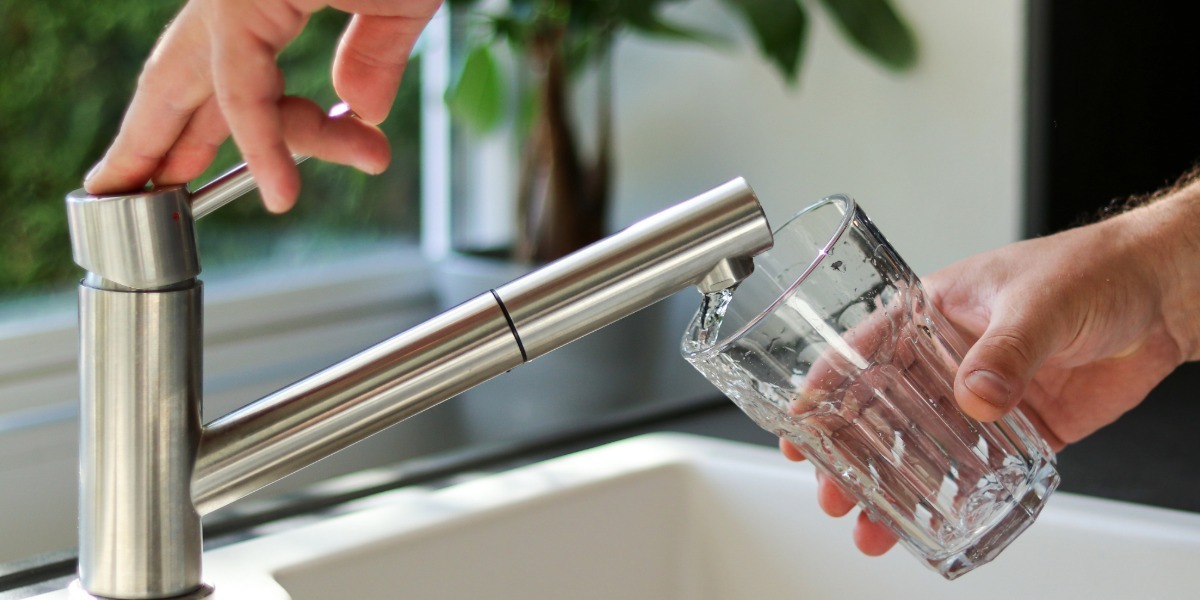
Clean-Looking Water Is Not Always Safe Water
Turn on a kitchen faucet, fill a glass, and the water may look perfectly clean. But appearance alone cannot tell you whether water is free from harmful microorganisms.
Water can pick up contamination from its environment, including rivers, lakes, groundwater sources, and the infrastructure that carries it to your home. Certain bacteria, viruses, and parasites can cause illness when people consume contaminated water.
That is why municipalities and other public water utilities treat drinking water before delivering it to consumers. Depending on the source and its initial quality, treatment may include removing particles, filtering water, adjusting its chemistry, and disinfecting it to control disease-causing microorganisms.
According to the Centers for Disease Control and Prevention (CDC), water utilities use a series of treatment steps to make water safe to drink. Disinfection is often one of the final steps in this process.
Understanding why municipalities disinfect water helps explain both the public health benefits of treated tap water and the importance of ongoing water quality monitoring.
The Primary Purpose: Protecting Public Health
The most important reason municipalities disinfect drinking water is to reduce the risk of waterborne disease.
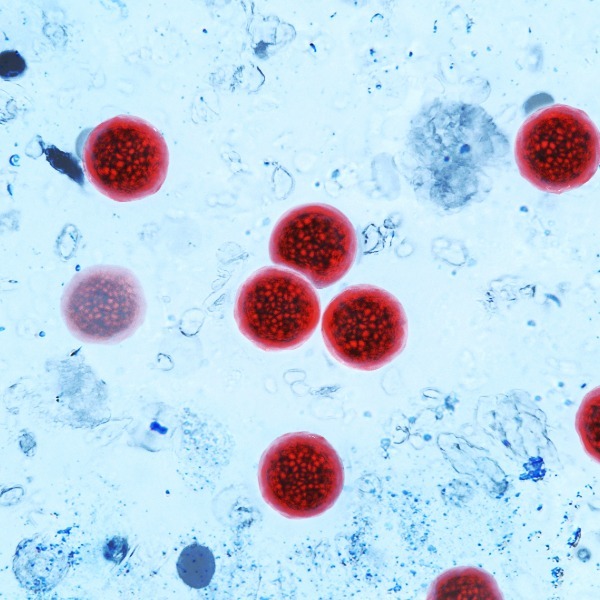 Microorganisms that cause illness can enter water supplies through several pathways. Surface water, for example, can be affected by runoff and contamination from human or animal waste. Groundwater can also become contaminated under certain conditions. In addition, microorganisms may enter distribution systems when pipes are damaged or other contamination events occur.
Depending on the organism, drinking contaminated water can lead to gastrointestinal illness and other infections.
Water disinfection is designed to kill or inactivate susceptible microorganisms before they reach consumers. The specific treatment requirements depend on the water source, the organisms of concern, and the applicable drinking water regulations.
The U.S. Environmental Protection Agency (EPA) identifies disinfection as a key public health measure for reducing the risks associated with microbial pathogens in drinking water.
What Happens During Municipal Water Treatment?
Disinfection is not necessarily the first or only step in making drinking water safe. Municipalities typically use a treatment process designed around the characteristics of their water source.
According to the CDC, common treatment steps include coagulation, flocculation, sedimentation, filtration, and disinfection. Not every water system uses the exact same sequence or combination of processes.
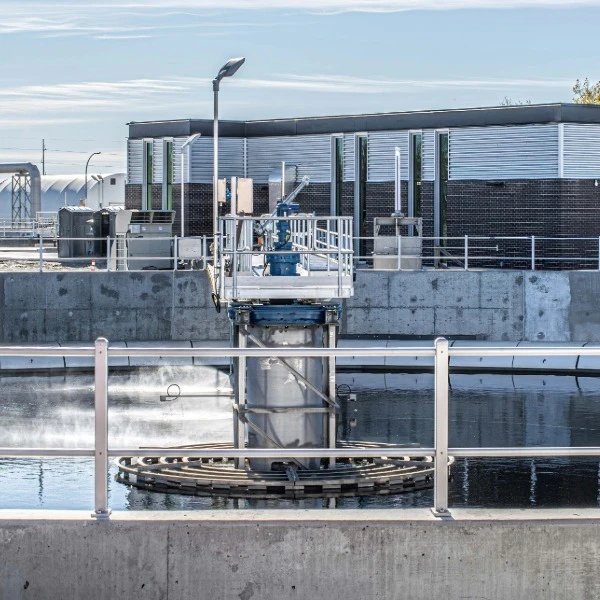
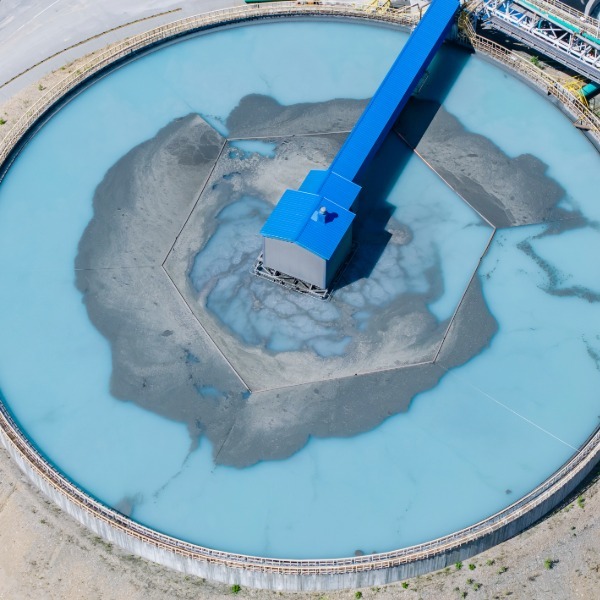
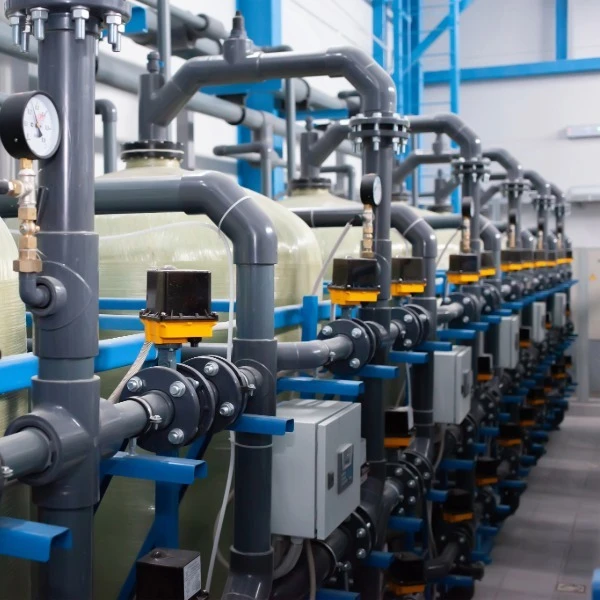
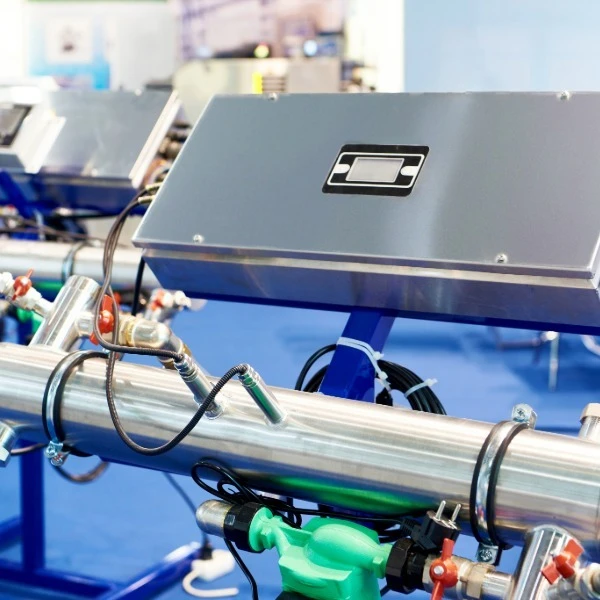
The key point is that disinfection and filtration serve different purposes, and they work together as part of a broader water treatment strategy.
Why Do Municipalities Use Chlorine?
Chlorine is one of the most widely used disinfectants in public drinking water systems. It is effective against many disease-causing bacteria and viruses, and it can provide continued protection as water travels through distribution pipes.
In the United States, chlorine began being used to disinfect public drinking water in 1908. Its use became an important part of modern water treatment and public health protection.
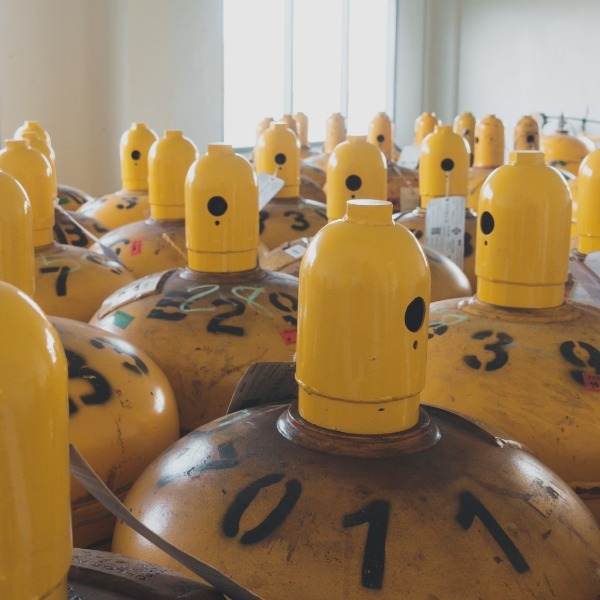 Municipalities use chlorine for several reasons:
- Microbial control: Chlorine kills or inactivates many harmful microorganisms.
- Continued protection: A measurable amount of disinfectant can remain in treated water as it moves through the distribution system.
- Operational flexibility: Utilities can adjust treatment to meet the needs of their water supply and comply with applicable standards.
- Established treatment practices: Chlorination is a well-established method used by water utilities.
However, chlorine does not work equally well against every microorganism. Some organisms are more resistant to chlorine than others, and the effectiveness of disinfection depends on factors such as disinfectant concentration, contact time, water temperature, and water chemistry.
This is one reason municipalities must carefully manage their treatment processes rather than simply adding a fixed amount of chlorine without monitoring conditions.
What Is Chloramine, and Why Do Some Cities Use It?
Chloramine is another disinfectant used by municipal water systems. According to the CDC, one in five Americans uses water treated with chloramines. The type most used in drinking water is monochloramine, which is formed by combining chlorine and ammonia under controlled conditions.
Like chlorine, chloramine helps control microorganisms. One important difference is that chloramine generally lasts longer in water distribution systems.
Chlorine can be consumed by reactions in the water as it travels through pipes. Chloramine is often selected when a utility wants a more persistent disinfectant residual throughout its distribution network.
The EPA explains that chloramines provide longer-lasting disinfection as water moves through pipes to consumers. Chloramine has been used to disinfect drinking water in the United States since 1929. Some utilities also switch between chlorine and chloramine for operational reasons.
Although chloramine provides longer-lasting protection in distribution systems, it generally acts more slowly than chlorine against many microorganisms.
Neither disinfectant is automatically the best choice for every water system. Utilities evaluate their source water, treatment requirements, distribution network, and potential byproduct formation when selecting a disinfection strategy.
If your tap water has a chlorine-like smell or taste, your annual water quality report can help you identify the disinfectant used by your utility.
Why Disinfection Must Continue After Water Leaves the Treatment Plant
Water treatment does not end when water leaves the facility.
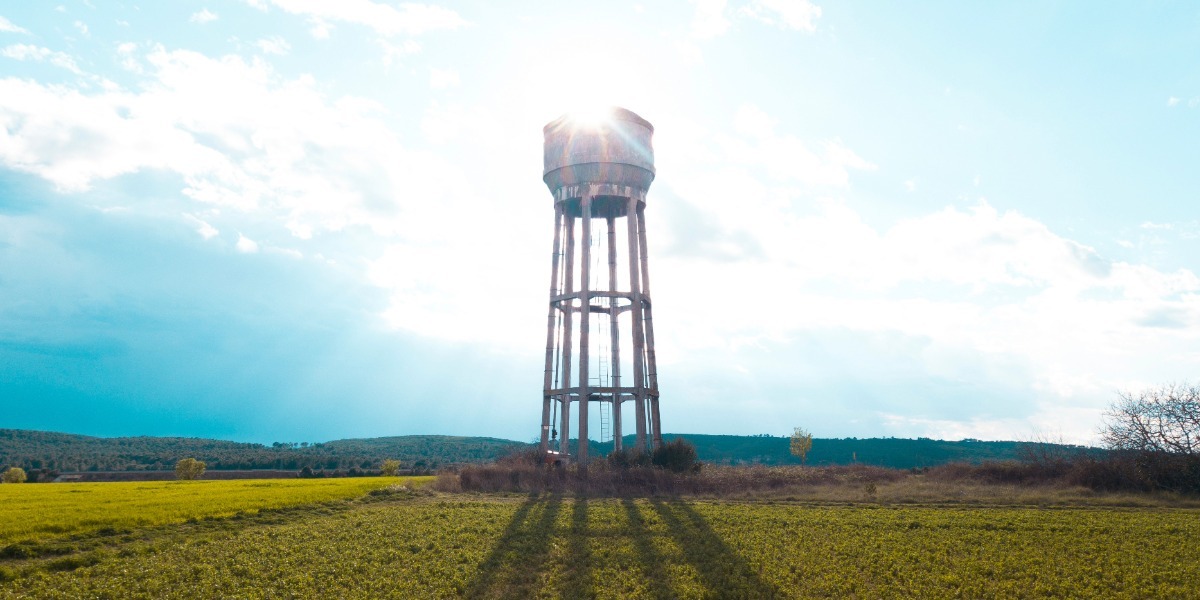
After treatment, drinking water travels through a distribution system that may include miles of underground pipes, storage reservoirs, pumping stations, and service connections.
Although utilities maintain these systems, contamination can sometimes occur because of infrastructure failures, leaks, pressure changes, or other events.
A disinfectant residual helps provide an additional layer of protection during distribution. This is particularly important because water may spend considerable time moving through a complex network before reaching a customer's home.
The CDC explains that low levels of chlorine or chloramine can continue killing germs as water travels through pipes. The EPA also identifies maintaining a disinfectant residual as an important requirement for many systems treating surface water or groundwater directly influenced by surface water.
This ongoing protection is often called secondary disinfection.
It is important to understand that a disinfectant residual is not a guarantee against every possible contamination event. Water utilities still need to monitor water quality, maintain infrastructure, and respond appropriately when problems arise.
Are There Downsides to Disinfecting Drinking Water?
Disinfection provides an important public health benefit, but it also requires careful management.
One consideration is the formation of disinfection byproducts.
When chlorine or other disinfectants react with naturally occurring organic matter in source water, chemical compounds known as disinfection byproducts (DBPs) can form. Different disinfectants and water conditions can produce different byproducts.
The potential for byproduct formation depends on factors such as the characteristics of the source water, the disinfectant used, and the conditions during treatment and distribution.
 Some disinfection byproducts are associated with health concerns when exposure occurs at sufficiently high levels over time. For this reason, drinking water regulations establish limits for certain disinfectants and byproducts, and public water systems must monitor regulated substances according to applicable requirements.
The goal is to balance two important objectives:
- Control disease-causing microorganisms.
- Minimize exposure to regulated disinfection byproducts.
Eliminating disinfection without an appropriate alternative could increase microbial risks. Conversely, disinfection practices must be managed to avoid unnecessary chemical exposure.
The CDC states that the low levels of chlorine and chloramine permitted in tap water under U.S. drinking water standards are considered safe for consumption. If you have a concern about your local water, consult your utility's water quality report and relevant public health guidance.
Does Disinfection Remove Every Contaminant?
No. This is an important distinction.
Disinfection primarily targets microorganisms. It is not a universal treatment for every substance that may be present in drinking water.
For example, chlorine disinfection does not, by itself, remove dissolved metals such as lead or arsenic. Chlorine disinfection is also not designed to remove contaminants such as microplastics or PFAS (forever chemicals).
Some treatment processes can address these substances, but the appropriate technology depends on the particular contaminant and its concentration.
The CDC explains that household treatment methods have different capabilities. For example, activated carbon filters can reduce certain contaminants when designed and certified for those specific reduction claims, while reverse osmosis can remove various dissolved substances. Always look for a product's certification to confirm what that product can treat.
This is why water utilities use multiple treatment processes when necessary and monitor drinking water for contaminants beyond microorganisms.
It is also why consumers should avoid assuming that disinfected water is free of every possible contaminant simply because it meets drinking water standards.
Safe drinking water depends on the combination of appropriate treatment, regulatory compliance, infrastructure maintenance, and ongoing monitoring.
How Can You Find Out What Is in Your Tap Water?
A useful starting point is your water utility's annual Consumer Confidence Report (CCR), also called a water quality report.
Community water systems generally provide these reports to explain the quality of their drinking water.
Your report can help answer questions such as:
- Does my utility use chlorine or chloramine?
- What regulated contaminants were detected?
- Were any reported levels above applicable standards?
You can also contact your water provider directly if you have questions about disinfectant levels, treatment changes, or water quality concerns.
For households that want additional treatment at the tap, begin by identifying the specific contaminant you want to reduce. The CDC recommends selecting home water treatment systems based on the contaminants of concern and the system's demonstrated capabilities, rather than assuming that all filters perform the same way.
The Bottom Line: Disinfection Is Essential to Drinking Water Safety
Municipalities disinfect drinking water because protecting people from waterborne disease is a fundamental public health responsibility.
Chlorine, chloramine, UV light, ozone, and other treatment approaches can play important roles in water treatment. The methods used vary by utility, but the objective remains the same: control harmful microorganisms and deliver water that meets applicable safety requirements.
At the same time, disinfection is only one part of drinking water protection. Water utilities must manage treatment processes, maintain distribution infrastructure, monitor regulated contaminants, and minimize disinfection byproducts.
Knowing why your water is disinfected is the first step toward understanding how your drinking water is treated, and how to make informed decisions about the water you use every day.