

Posted by Michele Priest on Nov 13th 2026
World Diabetes Day: Early Signs and Detection of Diabetes
Diabetes affects millions of people worldwide, yet many are unaware they have it. One reason is that Type 2 diabetes often develops gradually, sometimes without noticeable symptoms. A person may feel perfectly healthy while elevated blood glucose levels are already affecting their body.
That is why early detection is so important.
Recognizing the warning signs, understanding risk factors, and getting routine blood sugar screenings can help identify diabetes before serious complications develop. Early intervention can also help people with prediabetes prevent or delay the onset of Type 2 diabetes. World Diabetes Day is a good reminder that everyday habits, including eating well, staying active, and drinking enough water, can contribute to better overall health.
What Is World Diabetes Day?
Established in 1991 by the International Diabetes Federation and the World Health Organization, World Diabetes Day is observed on November 14, the birthday of Sir Frederick Banting, who co-discovered insulin with Charles Best in 1921. It became an official United Nations observance in 2006.
The 2026 campaign theme is “Early Action on Diabetes”, highlighting the importance of recognizing symptoms, identifying risk factors, and improving access to testing and treatment.
According to the International Diabetes Federation's 2025 Diabetes Atlas, approximately 589 million adults worldwide are living with diabetes. Of those, approximately 252 million, or 43%, are unaware they have the condition.
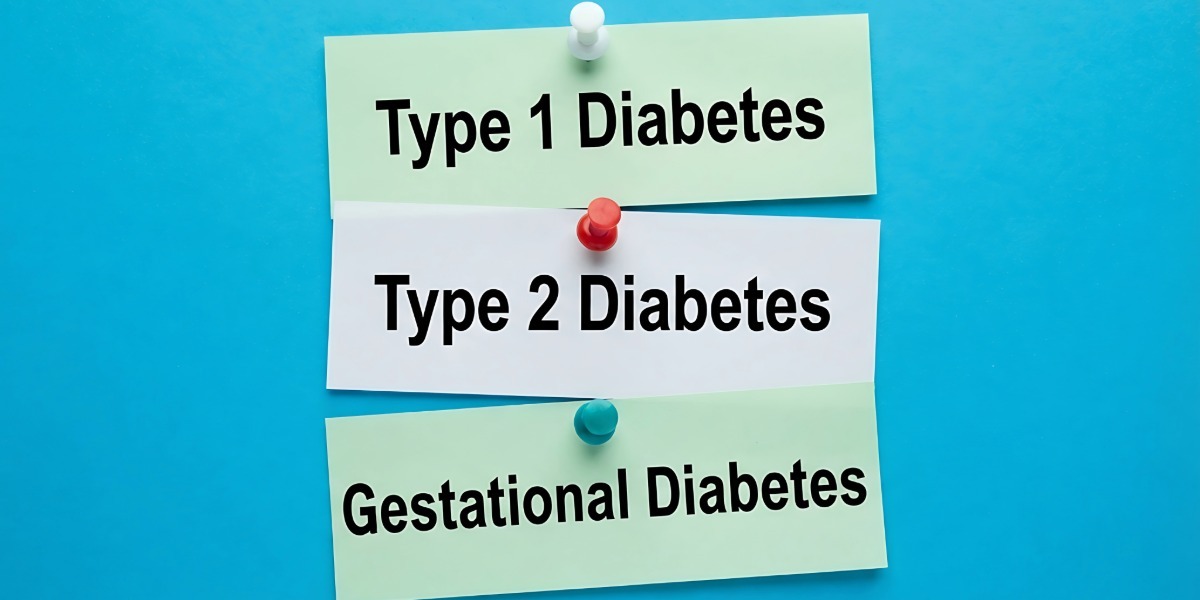
Understanding The Three Types of Diabetes
When we eat, our digestive system breaks down carbohydrates into glucose, which enters the bloodstream and provides energy to the body's cells. Insulin, a hormone produced by the pancreas, helps move glucose from the blood into cells.
Diabetes develops when the body does not produce enough insulin or cannot use it effectively. This causes glucose to build up in the bloodstream. Over time, elevated blood sugar can damage blood vessels and nerves, increasing the risk of serious health problems.
Three Main Types of Diabetes
According to the Centers for Disease Control (CDC) the three main types of diabetes are:
Type 1 Diabetes
Type 2 Diabetes
Gestational diabetes:
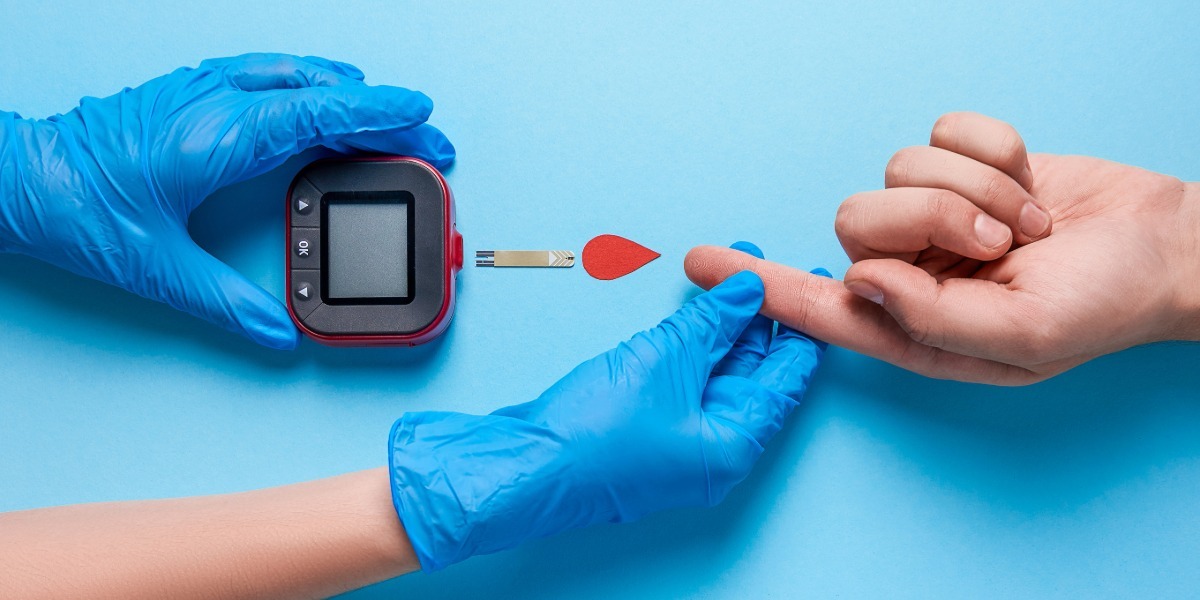
Why Early Detection Matters
Type 2 diabetes and prediabetes can develop for years without obvious symptoms. Some people discover they have the condition during routine blood work, while others are not diagnosed until complications appear.
Prediabetes occurs when blood glucose levels are higher than normal but not high enough for a diabetes diagnosis. It is an important warning sign, but it does not mean Type 2 diabetes is inevitable.
Early identification gives people an opportunity to make lifestyle changes and work with healthcare professionals to reduce their risk.
Without proper management, diabetes can increase the risk of:
-
- Heart disease and stroke: Elevated blood glucose can damage blood vessels and increase cardiovascular risk.
- Kidney disease: Diabetes can damage the small blood vessels responsible for filtering waste from the blood.
- Nerve damage: High blood glucose can damage nerves, particularly in the feet and legs, causing pain, tingling, or numbness.
- Vision problems: Damage to blood vessels in the retina can lead to diabetic retinopathy and vision loss.
- Foot complications: Nerve damage and poor circulation can make injuries harder to detect and heal.
Early diagnosis, appropriate treatment, and ongoing monitoring can help reduce the risk of these complications.
9 Warning Signs and Symptoms of Diabetes
Knowing the symptoms is an important first step toward early detection. However, some people with Type 2 diabetes experience few or no noticeable symptoms.
Common warning signs include:
-
- Increased thirst: Feeling unusually thirsty, even after drinking water, can occur when elevated blood glucose causes increased fluid loss.
- Frequent urination: The kidneys work to remove excess glucose through urine, which can lead to more frequent trips to the bathroom, including at night.
- Increased hunger: When the body cannot use glucose effectively for energy, a person may feel hungry even after eating.
- Unexplained weight loss: The body may begin breaking down fat and muscle for energy when it cannot use glucose properly.
- Persistent fatigue: Difficulty using glucose efficiently can contribute to ongoing tiredness and low energy.
- Blurred vision: Elevated blood glucose can affect fluid balance in the eyes and temporarily change vision.
- Slow-healing cuts and sores: Diabetes can affect circulation and the body's ability to heal.
- Frequent infections: Elevated blood glucose can interfere with the body's ability to fight infections.
- Tingling or numbness: Nerve damage can cause burning, tingling, pain, or reduced sensation, especially in the feet and legs.
These symptoms do not automatically mean someone has diabetes, but persistent or unexplained changes should be discussed with a healthcare professional.
Important: Type 1 diabetes can develop much more rapidly than Type 2. Symptoms such as extreme thirst, frequent urination, and unexplained weight loss require prompt medical evaluation. Nausea, vomiting, or abdominal pain, particularly alongside these symptoms, may indicate diabetic ketoacidosis, a potentially life-threatening emergency requiring immediate medical attention.
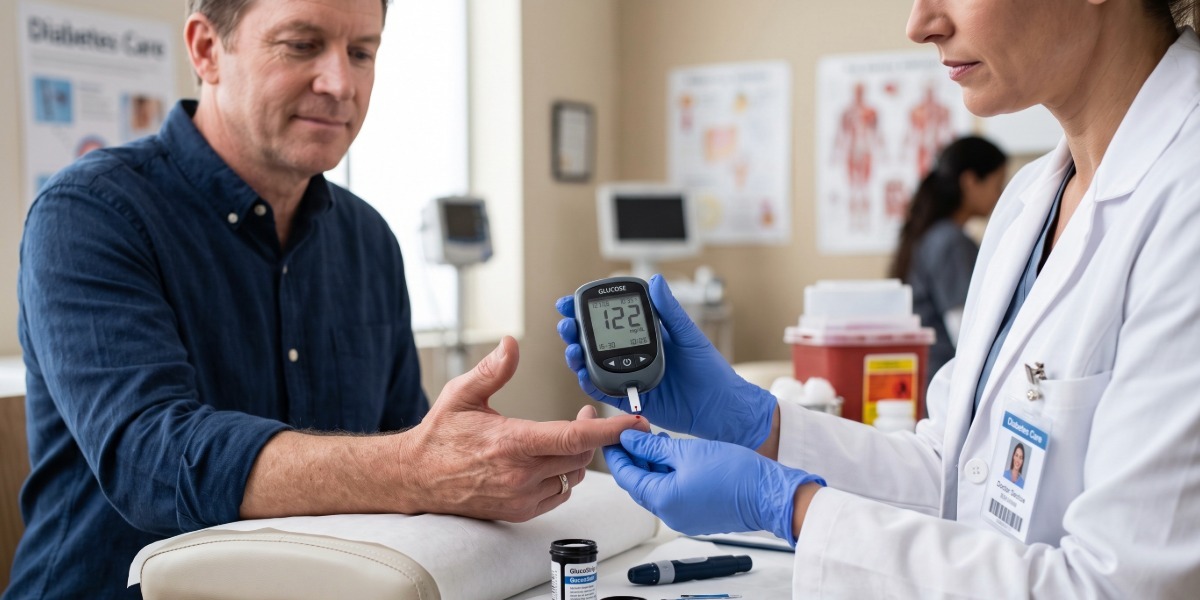
Who Should Be Screened for Diabetes?
The American Heart Association lists certain factors that increase the risk of developing Type 2 diabetes. They include:
-
- Being 45 or older.
- Having a parent or sibling with Type 2 diabetes.
- Being overweight or having obesity.
- Having prediabetes.
- Being physically inactive.
- Having a history of gestational diabetes.
- Having given birth to a baby weighing more than 9 pounds.
- Having polycystic ovary syndrome (PCOS).
Age and family history cannot be changed, but knowing your risk can help you make informed decisions about screening. Although age 45 and older is a recognized risk factor, some screening guidelines recommend testing earlier, depending on weight and other risk factors.
The U.S. Preventive Services Task Force recommends screening for prediabetes and Type 2 diabetes in adults ages 35 to 70 who have overweight or obesity. Screening may also be appropriate for people outside these guidelines depending on their medical history and individual risk factors. The USPSTF also notes that clinicians should consider screening at a lower BMI threshold of 23 for Asian American adults who otherwise meet its screening criteria.
How Is Diabetes Diagnosed?
Diabetes and prediabetes are diagnosed through blood tests. Two commonly used tests are the A1C test and fasting blood glucose test.
A1C test: Measures average blood glucose over approximately the previous two to three months. Fasting is not required.
Fasting blood glucose test: Measures blood sugar after at least eight hours without food.
Other tests, including an oral glucose tolerance test, may also be used. An abnormal result generally needs confirmation through repeat testing unless the person has clear symptoms or other diagnostic circumstances.
A routine blood test can reveal a problem long before symptoms become noticeable. If you have risk factors or are unsure whether you should be screened, talk with your healthcare provider.
Can Type 2 Diabetes Be Prevented?
Research shows that many cases of Type 2 diabetes can be prevented or delayed through lifestyle changes.
The landmark Diabetes Prevention Program (DPP) clinical study found that lifestyle changes, including losing 5% to 7% of body weight and getting at least 150 minutes of physical activity each week, reduced the risk of developing Type 2 diabetes by 58%. Among participants ages 60 and older, the risk reduction was 71%. The CDC's National Diabetes Prevention Program provides resources based on this research to help people reduce their risk.
Several practical habits can support better metabolic health:
-
- Eat a balanced diet: Include vegetables, fruits, whole grains, beans, lean proteins, and healthy fats. Fiber-rich foods can help support healthy blood glucose levels. Limit highly processed foods and products high in added sugars.
- Stay physically active: Walking, swimming, cycling, and strength training help the body use insulin more effectively. Aim for at least 150 minutes of moderate-intensity activity each week, as appropriate for your health and fitness level.
- Maintain a healthy weight: For people who are overweight or have obesity, even modest weight loss can improve insulin sensitivity and reduce the risk of Type 2 diabetes.
- Prioritize sleep: Inadequate sleep and irregular sleep patterns have been associated with insulin resistance and an increased risk of Type 2 diabetes.
- Schedule regular screenings: Do not wait for symptoms to appear. Routine testing can identify prediabetes and diabetes early.

The Connection Between Water, Hydration and Diabetes
Water is essential for regulating body temperature, transporting nutrients, removing waste, and maintaining normal cellular function. Staying adequately hydrated is important for everyone, including people with diabetes. Dehydration can make blood glucose management more difficult, while elevated blood sugar can increase fluid loss through frequent urination.
Although drinking water does not prevent or treat diabetes, adequate hydration supports normal body functions and choosing water over sugary beverages is a simple way to make a healthier choice.
Four Important Connections Between Water and Diabetes:
-
High blood sugar can contribute to dehydration.
When blood glucose becomes elevated, the kidneys work to remove excess glucose through urine. This can increase urination and cause the body to lose additional fluids. If those fluids are not replaced, dehydration can develop.
Increased thirst and frequent urination are two common warning signs of diabetes.
-
Water is a better choice than sugary beverages.
Regular soda, sweetened tea, fruit drinks, and many energy drinks can contain substantial amounts of added sugar. Replacing these beverages with plain water reduces added sugar and calorie intake.
For people working to reduce their risk of Type 2 diabetes, this is a practical everyday change.
-
Hydration supports kidney function.
The kidneys help maintain fluid balance and remove waste from the bloodstream. Adequate hydration supports normal kidney function. This is important because diabetes is a leading cause of chronic kidney disease.
However, drinking extra water does not reverse kidney damage or prevent diabetic kidney disease on its own. People with kidney or heart conditions who have been advised to restrict fluids should follow their healthcare provider's recommendations.
-
Water supports physical activity.
Proper hydration helps regulate body temperature and replace fluids lost through perspiration from physical activity. Drinking enough water before, during, and after physical activity is important, particularly in warm weather. According to the Centers for Disease Control (CDC), physical activity is key to managing your blood sugar.
How Much Water Should You Drink?
 Fluid needs vary depending on age, body size, activity level, climate, and health conditions. The National Academies of Sciences, Engineering, and Medicine established the following general daily adequate intake levels for total water:
-
- Adult women: Approximately 11.5 cups (2.7 liters)
- Adult men: Approximately 15.5 cups (3.7 liters)
- Children and Adolescents: Total daily water requirements vary by age and sex
- Pregnant Women: Approximately 3 liters of total water daily
- Breastfeeding Women: Approximately 3.8 liters of total water daily
These amounts include water from all beverages and foods, not just plain drinking water. Individual needs may differ.
Simple ways to improve hydration include:
-
- Start the morning with a glass of water.
- Keep a reusable water bottle nearby.
- Choose water with meals instead of sugary drinks.
- Drink water before, during, and after physical activity.
- Add lemon, lime, cucumber, or fresh mint for flavor.
The goal is consistent, adequate hydration rather than forcing yourself to drink excessive amounts of water.
Take Action This World Diabetes Day
Diabetes does not always announce itself with obvious symptoms. Type 2 diabetes and prediabetes can develop quietly, making routine screening and awareness of risk factors especially important.
This World Diabetes Day, take a moment to learn about the warning signs, consider whether you should be screened, and encourage family members and friends to do the same.
Healthy habits, including balanced nutrition, regular physical activity, adequate sleep, and choosing water over sugary beverages, can support better overall health.
Early detection can change the course of diabetes. Sometimes the most important step is simply getting tested.